Month: January 2024

  • The Life and Legacy of Socrates – Defiance, Influence, and Controversy

    The Life and Legacy of Socrates – Defiance, Influence, and Controversy

    Socrates, a revered ancient Greek philosopher, met a tragic end at the hands of his own government.

    Socrates fearlessly challenged the established order and traditional beliefs in Athens, primarily employing his unique Socratic method of questioning.
    What Was The Established Order In Athens?

    The established order was very similar to ours today in America.

    Athens was a democracy.

    Citizens directly participated in the decision-making process, collectively governing the city-state.

    The government of Athens comprised various institutions, such as the popular assembly allowing adult male citizens to voice opinions and vote. Additionally, the city-state had the Boule council, made up of 500 randomly selected citizens who proposed laws and managed administrative affairs.


    His Socratic Method, coupled with his unabashed criticism of authority, drew accusations of impiety and corrupting the youth, ultimately leading to his trial in 399 BCE.
    When put on trial in 399 BCE in Athens, Socrates presented his defense by arguing that he had “not corrupted Athenian youth“, as his accusers claimed.

    He argued that his “philosophy actually aimed to improve the moral and intellectual character of individuals, rather than leading them astray“.

    Socrates began his defense by stating that he was “ignorant of the influence he had on other people and that he had never claimed to possess any wisdom or knowledge“.

    He related a story in which the Oracle of Delphi described Socrates as the wisest man, leading him to conclude that:

    True wisdom lies in acknowledging one’s own ignorance.

    Socrates explained that his “primary goal was to engage in dialogue and question others in order to encourage critical thinking and self-examination“.

    Furthermore, he argued that his “role as a philosopher was not to teach or indoctrinate, but to encourage individuals to think for themselves“.

    He claimed that he “questioned and exposed the ignorance and inconsistencies of those who were regarded as wise in order to help others recognize their own lack of knowledge“.

    Socrates believed that by questioning others, he was “helping them to seek wisdom and knowledge for themselves“.

    Despite his defense, Socrates was found guilty by a jury of 500 Athenian citizens and sentenced to death by drinking poisonous hemlock.


    Hemlock is a highly poisonous plant often used as a herbal remedy or poison, belonging to the coniferous family and characterized by small white flowers and feathery leaves.

    Hemlock


    His defense and subsequent execution became known as one of the most enduring stories of intellectual and philosophical martyrdom.

    Choosing to adhere to the Athenian legal system, Socrates willingly drank hemlock, a widely recognized execution method of that time.


    Socrates’ defiance of convention and his relentless pursuit of truth have left an indelible mark on the world of intellectual discourse.

    Through his Socratic method, he revolutionized the way people approached questions, encouraging critical thinking and introspection.

    Through his Socratic method, he revolutionized the way people approached questions, encouraging critical thinking and introspection.


    Socratic Method

    The Socratic method involves a dialogue between a questioner and a responder, where the questioner poses thought-provoking questions to the responder in order to elicit a deeper understanding of a topic or to challenge the responder’s beliefs and assumptions. The Socratic method encourages active participation and critical examination of ideas, leading to a more thorough exploration of a subject and the development of logical and reasoned arguments.


    By challenging governmental authority and traditional beliefs, Socrates sparked important discussions that exposed the flaws in societal norms and fostered intellectual growth.

    Despite his tragic fate, Socrates’ influence transcends time.

    His ideas, recorded by his students Plato and Xenophon, continue to shape the foundations of Western philosophy.

    Socrates’ emphasis on self-examination, the pursuit of truth, and the questioning of established beliefs paved the way for subsequent philosophers to build upon his legacy.

    Socrates’ wisdom and teachings have served as a catalyst, encouraging generations of thinkers to challenge the status quo and seek the inherent truth in matters of ethics, morality, and knowledge.


    The impact of his ideas on subsequent philosophers such as Aristotle, Descartes, and Kant cannot be overstated.


    Even in the modern era, Socrates’ principles of critical thinking and self-reflection hold great relevance, guiding us in our quest for knowledge and personal growth.


    In conclusion, Socrates paid the ultimate price for his relentless pursuit of truth and his challenge to established beliefs.

    His trial and execution serve as reminders of the power struggle between conformity and intellectual progress.

    His uncompromising quest for wisdom and his commitment to independent thought continue to inspire and shape the world of philosophy to this day and is a reminder to me why democracy sucks and America’s Constitutional Republic is so important to uphold.


  • Creativity – A Godly Gift

    Creativity – A Godly Gift

    As Christians, we know that we are fearfully and wonderfully made in the image of God.

    I praise you, for I am fearfully and wonderfully made. Wonderful are your works; my soul knows it very well. Psalms 139:14

    In the same way that our Creator is the ultimate Master Artist, we also possess the ability to create and express ourselves in distinctive and profound ways.


    Yet, there are moments when we may neglect to acknowledge our own creative capacities, or undervalue our skills and passions as lacking importance, particularly if they deviate from the conventional expectations followed by a majority of Christians, even though they may profess a different standpoint.

    “Do not love the world or anything in the world. If anyone loves the world, love for the Father is not in them. For everything in the world—the lust of the flesh, the lust of the eyes, and the pride of life—comes not from the Father but from the world. The world and its desires pass away, but whoever does the will of God lives forever.”

    1 John 2:15-17


    Creativity Is A Form Of Worship

    When we use our talents and passions to create something new, we are expressing gratitude and admiration for the creator who endowed us with these abilities. This is a form of praise towards the One who made us.


    Definition of Worship:

    Worship is the reverent honor and homage paid to a deity or divine being, often through prayer, praise, and ritualistic acts of devotion.


    Remaining Open to God’s Call for Creativity

    Next, be open to the ways in which God may be calling you to use your creativity for His purposes.

    But now, O Lord, you are our Father; we are the clay, and you are our potter; we are all the work of your hand. – Isaiah 64:8

    Remaining open to God’s call to use creativity for His purpose requires a receptive and humble heart.


    Here are some practical ways to stay open to His leading:

    Prayer and Meditation

    man praying in mosque

    Regular prayer and meditation can help cultivate a receptive spirit, creating space to listen to God’s guidance and prompting.

    Seeking Counsel

    joyful adult daughter greeting happy surprised senior mother in garden

    Seeking counsel from spiritual mentors, leaders, or trusted individuals within the Faith can provide valuable insight and confirmation of God’s leading.

    Scripture Study

    Delving into the Word of God can offer clarity and direction. Exploring stories of creativity and purpose in the Bible can inspire and inform your own journey.

    Openness to Change

    Remaining open and adaptable to unexpected opportunities or shifts in direction demonstrates a willingness to follow God’s plan, even when it diverges from our own expectations.

    By incorporating these practices into your life, you can create an environment where you remain open to God’s call for creativity and find fulfillment in using your talents for His purpose.


    Importance Of Taking Risks

    Finally, don’t be afraid to take risks and try new things.

    Creativity is a journey, not a destination, and it’s okay to make mistakes along the way. Trust in the Lord’s guidance and lean into His wisdom as you explore your own creative potential.

    So whether you’re a seasoned artist or just starting out, don’t be afraid to unleash your creativity and use it for the glory of God.

    So do not fear, for I am with you;
    do not be dismayed, for I am your God.
    I will strengthen you and help you;
    I will uphold you with my righteous right hand.

    Isaiah 41:10

    So go forth, be creative, and let your light shine for all to see!


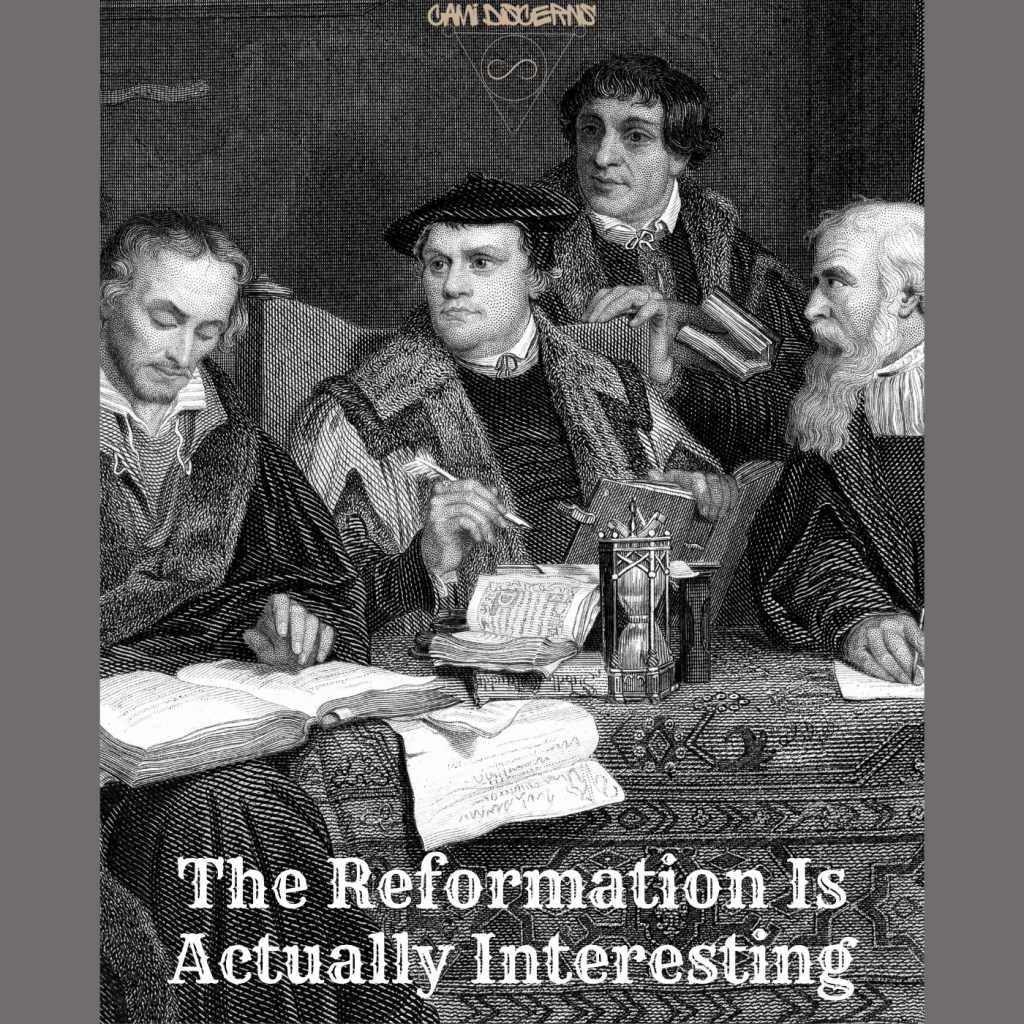
  • The Reformation Is Actually Interesting

    The Reformation Is Actually Interesting

    The Reformation stands as a transformative movement in history, forever altering the course of human life.

    The Reformation, spearheaded by the influential Martin Luther in the 16th century, stands as a remarkable historical movement that challenged the authority of the Catholic Church and ushered in a wave of new ideas that reverberated throughout the world.

    The Reformation not only transformed the religious landscape of Europe, but also had profound impacts on politics, society, and the spread of knowledge. It sparked a re-evaluation of existing power structures and encouraged individuals to question long-standing traditions and beliefs.

    The ideas that emerged from this period continue to shape the modern world, making the Reformation a pivotal chapter in history that continues to fascinate and provoke scholarly debate.


    The Enduring Legacy of the Reformation

    Its profound impact can be attributed to the intellectual and ideological debates it initiated, the far-reaching changes it brought to education, literacy, and gender roles, and the significant political transformations it sparked.

    In this Article, we will delve into the captivating aspects of the Reformation, explore its key contributions, and discover the plethora of resources available to deepen our understanding of this fascinating period.


    Intellectual and Ideological Debate

    At the heart of the Reformation, Martin Luther’s Ninety-Five Theses served as a catalyst, raising questions about controversial church practices, including the sale of indulgences.


    Read Martin Luther 95 Thesis:

    Martin Luther’s 95 Thesis – Discern All Things
    camidiscerns.com

    This thought-provoking theses sparked vibrant and widespread discussions, paving the way for the emergence of new religious denominations.

    The Reformation became a platform for intellectual discourse, challenging traditional beliefs and reshaping the religious landscape.

    Transformations in Education, Literacy, and Gender Roles

    Another captivating facet of the Reformation lies in the changes it brought to education, literacy, and the role of women in society.

    With the rise of Protestantism, the emphasis on individual interpretation of scriptures led to a surge in educational opportunities.

    Education became more accessible, empowering people to read and interpret religious texts themselves.

    This increase in literacy levels led to a transformation in society, stimulating new ideas, critical thinking, and a thirst for knowledge.

    Additionally, the Reformation sparked discussions about the role of women, challenging traditional societal norms and paving the way for greater recognition of their intellectual capabilities.


    Political Ramifications and Conflicts

    The Reformation also unleashed significant political ramifications, as tensions intensified between Protestantism and Catholicism.

    The conflicts ultimately led to wars and political transformations that reverberated across Europe.

    One of the notable outcomes was the Peace of Westphalia in 1648, which marked the end of the Thirty Years’ War, directly stemming from the religious divide initiated by the Reformation.

    Such political upheavals and transformations shaped the course of history and left an indelible mark on European society.


    Resources to Deepen Understanding about the Protestant Reformation

    For those seeking to deepen their understanding of the Protestant Reformation, a plethora of resources exist to explore this pivotal period in history. Whether delving into the intellectual and ideological debates, the transformations in education, literacy, and gender roles, or the political ramifications and conflicts, these resources offer valuable insights.

    Books and Articles

    • “The Reformation: A History” by Diarmaid MacCulloch
    • “The Reformation: A Very Short Introduction” by Peter Marshall
    • “The Printing Press as an Agent of Change” by Elizabeth L. Eisenstein
    • “The Reformation: A Visual History” by Peter Marshall
    • “The Reformation: A World in Turmoil” by Andrew Johnston

    Documentaries and Films

    • “Martin Luther: The Idea that Changed the World”
    • “Catholics vs. Convicts: The Reformation and the Counter-Reformation”
    • “Inside the Vatican”
    • “Secrets of the Dead: The Man Who Saved the World”
    • “This Changed Everything: 500 Years of the Reformation”

    Online Resources

    Academic Journals

    • “The Journal of Ecclesiastical History”
    • “Church History: Studies in Christianity and Culture”
    • “Reformation & Renaissance Review”
    • “The Sixteenth Century Journal”
    • “Central European History”

    These resources provide diverse perspectives and in-depth analyses to aid in gaining a comprehensive understanding of the enduring legacy of the Protestant Reformation.


  • Early Stages Of Love Bombing

    Early Stages Of Love Bombing

    What is love bombing?

    Love bombing is a manipulative tactic used to maintain control, disguised as an overwhelming display of affection and attention.

    Why is love bombing a bad thing?

    This deceptive behavior creates a false sense of security and emotional dependency, ultimately leaving the targeted person vulnerable to exploitation.

    It is crucial to approach this topic with discernment, as love bombing can have severe psychological and emotional consequences.

    here’s an example written in WebMD.

    Early Stages

    In the early stages of a relationship, it is important to be aware of potential signs of love bombing.


    What to Watch For:

    Victim Mentality

    Love bombers often portray themselves as victims, sharing stories of mistreatment and abuse.

    By gaining your sympathy, they create a deeper connection and make you feel obligated to help and fix them.


    Too Good to Be True

    Love bombers may seem perfect in every way, mirroring your character traits, style, and interests.

    It can feel like they are the closest person to you from day one. {Big RED FLAG}


    Excessive Compliments

    They constantly praise and idolize you, making you believe that you are the best thing that has ever happened to them.

    They claim that no one else understands them like you do and that you are their savior.


    Red Flags

    Pay attention if they share stories of parental neglect or childhood abuse, especially too soon in the relationship.

    This could be a warning sign that they are trying to manipulate you.

    They will shower you with even more compliments and validation, hooking you onto their need for attention and admiration.


    Abnormal Attention

    Love bombers show an intense interest in you right from the start.

    They ask about your day, initiate conversations, and talk to you for hours daily.

    This excessive attention is a way for them to gain your trust and get you hooked into their game.


    Unpredictable Mood Swings

    One moment, they may be loving and affectionate, but the next moment, they can explode with anger or frustration, for no apparent reason.

    This constant emotional rollercoaster makes you feel like you are walking on eggshells and drains your energy and self-esteem.


    Awareness Is Crucial

    It is crucial to be aware of these early signs of love bombing in order to protect yourself from potential manipulation and abuse.

    Trust your instincts and prioritize your emotional well-being in every relationship.

  • Ethereal and Physical Realms

    Ethereal and Physical Realms

    Perspectives on Spiritual Growth.

    Even though there are significant challenges ahead, we must decisively opt to conquer our fears. The complex interplay between the micro and macro dimensions of our existence ultimately merges at the micro level.

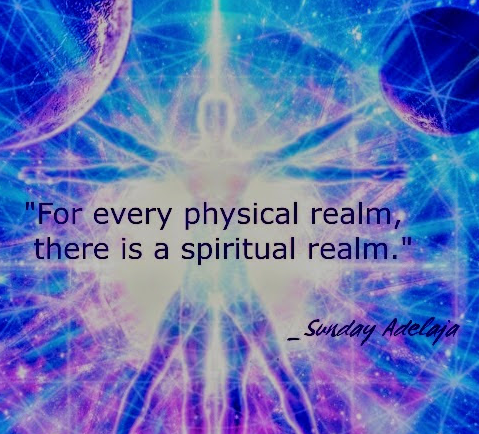
    It is imperative to acknowledge and value the essential connection that exists between the celestial and tangible domains.

    The vast expanse of the ethereal plane and the limited scope of the physical world are intrinsically connected, acting as stimuli for our individual development and progress.

    Nurturing our understanding of this intense connection is important, as it fuels the flourishing of our Soul, which encapsulates the essence of our spiritual being.

    By highlighting and strengthening the bond between these two dimensions, we unlock the key to unlocking the absolute Truth.

    Without this symbiotic relationship, we impede our spiritual evolution.

    This connection acts as a conduit for the exchange of energies and knowledge, enabling us to transcend the limitations of our earthly existence.

    To construct and fortify our light body (soul), we must emphasize two fundamental aspects: a resilient heart center and a robust physical vessel.

    These two components work harmoniously together, representing our earthly manifestation through which we learn to love and respect others.

    blue purple red and yellow heart printed poster

    Our heart center (soul) serves as the hub of our emotions, compassion, and empathy, while the physical body acts as the medium through which we experience and engage with the material world.

    By nurturing our soul, we cultivate love, kindness, and understanding, empowering us to selflessly serve others. These acts of service not only contribute to the betterment of society, but also deepen our connection to the ethereal (Spiritual) realm.

    Simultaneously, maintaining a strong and healthy physical body equips us to navigate the challenges and demands of our earthly existence. It provides a solid foundation for our spiritual growth and enables us to fully embody our earthly form.

    Our journey through the darkest valleys requires us to confront and overcome the forces of evil while steadfastly refusing to succumb to fear.

    By recognizing the profound significance of the connection between the ethereal and physical dimensions, we can nurture the growth of our light body. Through the harmonious integration of a resilient heart center and a capable physical body, we manifest our earthly form and learn to love and honor others through selfless acts of service.


    Galatians 5:13 – “You, my brothers and sisters, were called to be free. But do not use your freedom to indulge the flesh; rather, serve one another humbly in love.”

    1 Peter 4:10-11 – “Each of you should use whatever gift you have received to serve others, as faithful stewards of God’s grace in its various forms. If anyone speaks, they should do so as one who speaks the very words of God. If anyone serves, they should do so with the strength God provides, so that in all things God may be praised through Jesus Christ.”

    Matthew 25:35-40 – “For I was hungry and you gave me something to eat, I was thirsty and you gave me something to drink, I was a stranger and you invited me in, I needed clothes and you clothed me, I was sick and you looked after me, I was in prison and you came to visit me.’ Then the righteous will answer him, ‘Lord, when did we see you hungry and feed you, or thirsty and give you something to drink? When did we see you a stranger and invite you in, or needing clothes and clothe you? When did we see you sick or in prison and go to visit you?’ The King will reply, ‘Truly I tell you, whatever you did for one of the least of these brothers and sisters of mine, you did for me.”

    Mark 10:43-45 – “Not so with you. Instead, whoever wants to become great among you must be your servant, and whoever wants to be first must be slave of all. For even the Son of Man did not come to be served, but to serve, and to give his life as a ransom for many.”

  • Worldly Contradiction

    Worldly Contradiction

    In the depths of my soul, I grapple with the inherent contradictions of this world.

    Society has shaped me into a unique being, molded by its influences and expectations.

    And yet, beneath the surface lies a newfound understanding, a spiritual awakening that compels me to express my thoughts, unfiltered and unapologetic.

    Navigating Nuance

    As a believer in Christ, I fearlessly navigate the depths of my nuanced frame of mind.

    I am both a product of society and a recipient of God’s grace.

    This synthesis of my identity distinguishes me as a believer in the midst of a complex world.

    “The prudent [person] gives thought to their steps.”

    Proverbs 14:8

    America’s Role In My Identity

    Oh America, you have played a role in shaping the very essence of who I am.

    Your vast tapestry of cultures, perspectives, and ideologies have shaped and molded me in profound ways.

    The values and ideals that permeate your society have left an indelible stain on my character.


    But now, on this journey of Faith, something extraordinary has happened.

    As I wholeheartedly embrace the teachings of Christ by His Spirit, my soul longs to break free from the shackles of conformity and boldly vocalize the depths of my beliefs.

    “The Spirit of the Sovereign Lord is on me, because the Lord has anointed me to proclaim good news to the poor. He has sent me to bind up the brokenhearted, to proclaim freedom for the captives and release from darkness for the prisoners.”

    Isaiah 61:1

    I yearn to speak my truth, regardless of society’s resistance.

    You may have created me, that is my exterior, America, shaping me with your norms and expectations.

    Yet, through Faith in Christ, I have come to realize that your systems are imperfect, and your desires for conformity are not aligned with the higher purpose laid before me.

    “Do not conform to the pattern of this world, but be transformed by the renewing of your mind. Then you will be able to test and approve what God’s will is—his good, pleasing and perfect will.”

    – Romans 12:2

    Through the redeeming power of Christ’s love, my perspective has shifted.

    I no longer passively accept the status quo, but rather embark on a mission to challenge societal norms, inviting open and honest dialogue.

    It is in this space, in this unique frame of mind, where I find the courage to proclaim what’s on my heart, despite the resistance that may arise.


    Oh America, do not fear my voice, for it is not one intended to sow discord or disdain.

    Instead, it is a voice founded in love, compassion, and a deep belief in Christ’s teachings.

    It is a voice that yearns for unity amidst the diversities that encompass your vast nation.


    I am your child, America, transformed by the love and grace of Christ.

    And now, I am determined to speak Truth, for you and for all who seek the Light of Truth and Redemption.

    May my words serve as a catalyst for change, inspiring hearts to embrace the transformative power of Faith and the limitless possibilities it brings forth.

    Today, I am on a journey of purpose, one where the innate beauty of our diverse souls intertwining, illuminating a path towards a more compassionate and loving existence.

  • Are There Different Realms?

    Are There Different Realms?

    In the world of philosophy and metaphysics, the concept of “various realms” has long been a subject of fascination and debate.

    From ancient times to the present day, thinkers have grappled with the idea of multiple realms of existence, each with its own unique properties and characteristics. But what does it really mean for these realms to be “rooted in logic”?

    EXAMPLES

    Beginning with Leucippus and Democritus in the 5th century BCE, the concept was later expanded upon by Epicurus (341-270 BCE) and Lucretius (1st century BCE), who suggested the existence of multiple universes across time. In the 3rd century BCE, Chrysippus proposed the idea of an eternally regenerative world


    Unpacking the Notion of Various Realms

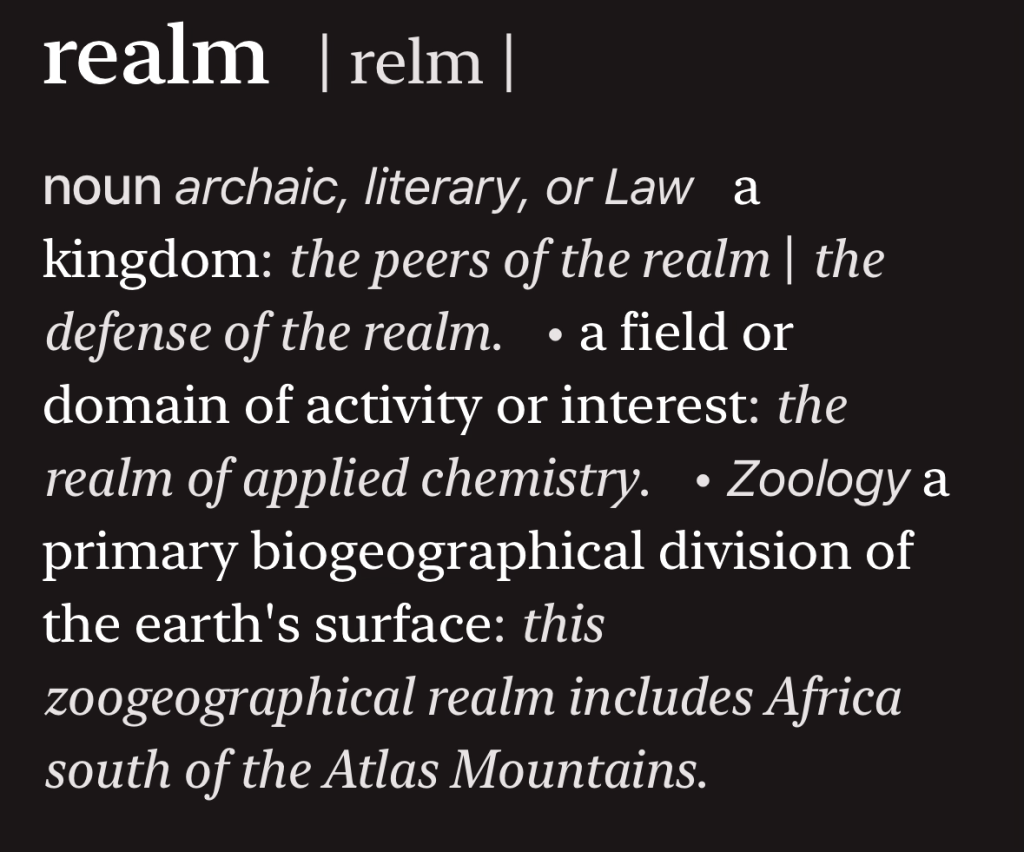
    When we speak of various realms, we are venturing into the realm of abstract thinking.

    These realms may encompass different dimensions, planes of existence, or levels of reality.

    They could be purely theoretical, as in the case of philosophical concepts, or they could be related to metaphysical or spiritual beliefs.

    Dimension Definition

    In the realm of mathematics and physics, a dimension refers to a measurable extent of a particular kind, such as length, breadth, height, or time. In a broader context, it can also denote a conceptual space or parameter within which events or phenomena occur and are measured.

    In the field of metaphysics and philosophy, the concept of dimensions extends to encompass additional aspects of reality beyond those perceived through sensory experience, often exploring the potential existence of higher or alternative planes of being.

    Planes of Existence

    Planes of existence represent distinct levels or states of reality that are postulated to exist beyond the physical world apprehended through our ordinary senses. These planes may be conceived as alternative dimensions or realms inhabited by beings and energies different from those encountered in our everyday experience. In various spiritual and philosophical traditions, the idea of planes of existence is often intertwined with metaphysical concepts and cosmological theories, offering a framework for understanding the complexities of existence beyond the material realm.


    The Role of Logic

    Logic, as the study of reasoning and argumentation, plays a vital role in establishing the foundation of these diverse domains.

    The application of logical principles enables us to scrutinize and comprehend the interconnections between different domains.

    It facilitates the identification of patterns, the assessment of idea coherence, and the evaluation of the validity of claims related to these domains.

    ROOTED IN LOGIC

    Within this context, the expression “rooted in logic” conveys the idea that these diverse domains are not arbitrary or disordered, but rather possess a coherent structure.

    Instead of being disjointed and haphazard, they are interconnected in a manner that is rational and comprehensible through logical frameworks.


    Implications and Applications

    Understanding the meaningful connection between various realms and logic has broad implications.

    It can inform our philosophical inquiries, guide scientific exploration, and inspire creative endeavors.

    By recognizing the logical underpinnings of these realms, we gain insights into the nature of reality, knowledge, and the human mind.


    So, what are your thoughts on the idea of various realms rooted in logic?

    How do you perceive their significance in our understanding of the world and our place within it?

    Remember, the exploration of these realms is not just a philosophical quest, but an invitation to expand our cognitive horizons and embrace the wonder of existence.

    RESOURCES

    Exploring the Core of Western Philosophy: Metaphysical

    Two branches of philosophy have wrestled with them most directly: metaphysics, which investigates the nature of being, existence, substance, and the fundamental structure of reality; and epistemology, which examines the nature, scope, and limits of human knowledge.

  • What Is A Writer?

    What Is A Writer?

    black and red typewriter

    A writer exudes an unyielding dedication to intellectual exploration and a deep comprehension of the world. They skillfully entwine a variety of disciplines and ideas from influential minds throughout history to create captivating and thought-provoking written pieces.


    Plato once wisely proclaimed,

    “We can easily forgive a child who is afraid of the dark; the real tragedy of life is when men are afraid of the light.”

    As writers, we often find solace in the darkness of our thoughts, weaving stories and crafting worlds in the quiet moments. While the darkness may offer a comforting shroud for creativity to flourish, the best writers also embrace the light. It is in the light that our words are illuminated, our stories shared, and our voices heard.

    Embracing both the darkness and the light, writers can truly harness the full spectrum of their creative potential, crafting narratives that resonate deeply with readers and standing unafraid in the face of truth and vulnerability.

    “One does not become enlightened by imagining figures of light, but by making the darkness conscious.”

    – Carl Jung

    A writer’s mission transcends mere imparting of information; it encompasses the conveyance of a deep comprehension of the human experience, shedding light on the complexities and wonders within our existence. Their words possess the potency to evoke emotions, ignite curiosity, and stimulate meaningful discourse.


    Socrates once profoundly stated,

    “The only true wisdom is in knowing you know nothing.”

    Socrates, the influential philosopher of ancient Greece, encapsulated the essence of intellectual humility and the relentless pursuit of knowledge in this thought-provoking statement. Embracing the idea of perpetual learning and self-discovery, these words resonate deeply with writers who seek to explore the depths of human thought and experience through their craft.

    “Learning never exhausts the mind.”

    Leonardo Da Vinci

    Deliberately separating their thoughts from their emotions, writers immerse themselves in the narrative, comprehending the journey, and deeply resonating with the intended audience. Their talent lies in shifting perspectives without imposing their own experiences or conclusions onto others.


    With a profound understanding and reverence for the profound, a writer excels at unraveling complex concepts and rendering them into nuanced, easily digestible pieces. Their work exceeds ordinary comprehension, captivating the reader and guiding them to profound revelations and boundless wisdom.


    “The man who moves a mountain begins by carrying away small stones.”

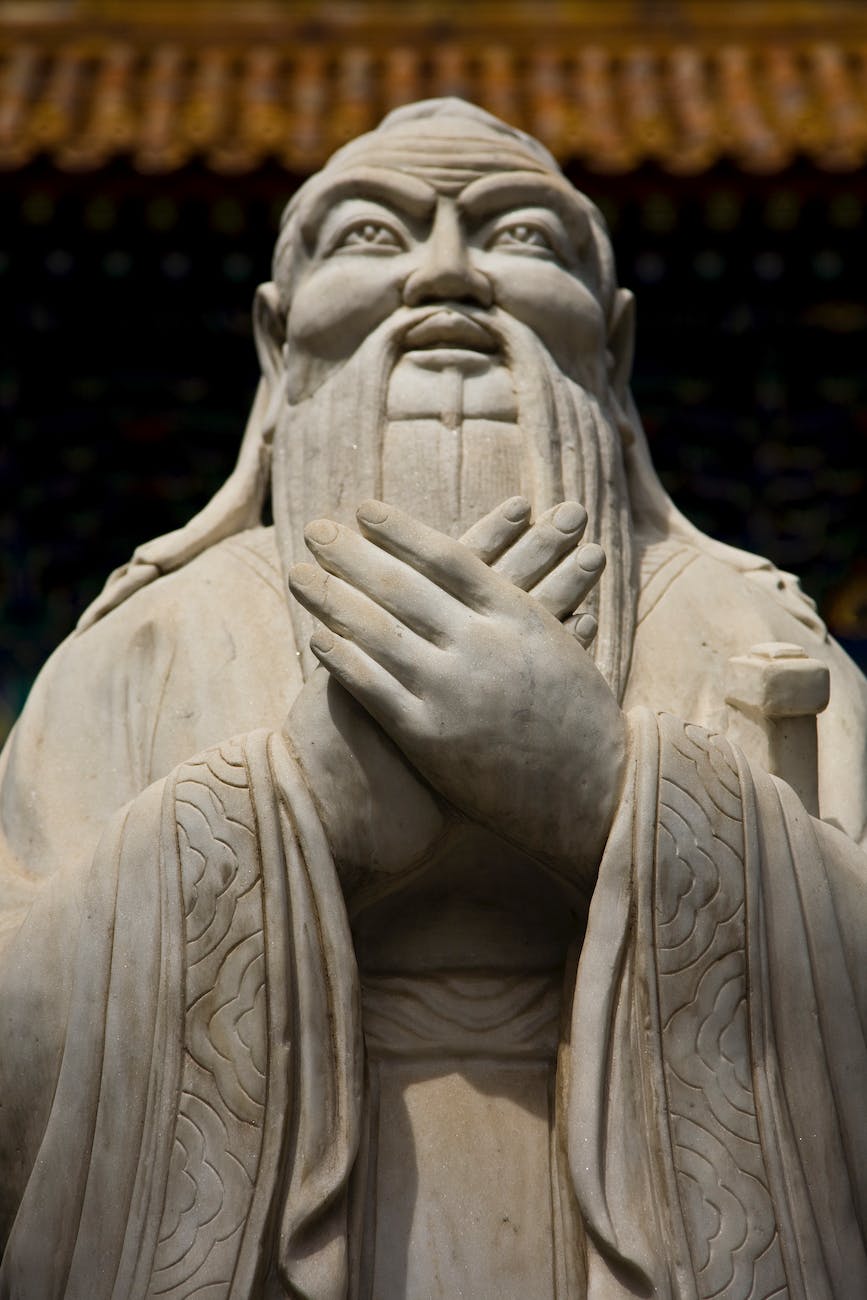
    Confucius

    Confucius, the esteemed philosopher and teacher, imparted this timeless wisdom, encapsulating the essence of perseverance and gradual progress. As writers navigate the vast landscapes of imagination and intellect, this quote serves as a reminder that each word penned is a step towards achieving monumental feats in the literary world.

    concrete statue of confucius

    Writers epitomize a harmonious fusion of the spiritual and physical aspects of life, effortlessly bridging the gap between the ethereal and the earthly. Their portrayal of the unifying power of thoughtfulness exudes a profound elegance that captivates the mind and sparks intellectual curiosity.

    love people woman books

    Johannes Gutenberg, the inventor of the printing press, once expressed the essence of writing with the following words:

    “Writing is the timeless legacy of humanity, immortalizing the depths of our knowledge and the breadth of our imagination in the indelible ink of history.”


    A writer is not merely a wordsmith, but a visionary who leverages their talent and wisdom to inspire, transform, and shape perceptions. Through the might of their words, they strive to usher in positive change, push the boundaries of imagination, and leave an enduring impact on the world.


    “Words are our most inexhaustible source of magic.” – J.K. Rowling

    “The role of a writer is not to say what we all can say, but what we are unable to say.” – Anaïs Nin

    “There is nothing to writing. All you do is sit down at a typewriter and bleed.” – Ernest Hemingway

    “To survive, you must tell stories.” – Umberto Eco

    “The scariest moment is always just before you start. After that, things can only get better.” – Stephen King

  • 7 Things God Hates

    7 Things God Hates

    According to Proverbs 6:16-19, there are seven things that God hates or finds detestable:

    1. Haughty eyes (a proud look)
    2. A lying tongue
    3. Hands that shed innocent blood
    4. A heart that devises wicked schemes
    5. Feet that are quick to rush into evil
    6. A false witness who pours out lies
    7. A person who stirs up conflict in the community.

    These seven things encompass attitudes and actions that go against God’s nature and desires for human behavior.

    They include pride, deception, violence, evil intentions, eagerness to do wrong, false testimony, and causing discord among people.

    By highlighting these specific sins, the passage emphasizes the importance of humility, honesty, protecting the innocent, having pure motives, avoiding evil, speaking truth, and promoting peace and unity in relationships and communities. The text suggests that cultivating the opposite virtues would be pleasing to God.

    Resources

    Proverbs 6:16-19 NIV – There are six things the LORD hates

    Proverbs 6:16-19 – King James Version – Bible Gateway

    What God Hates – PruittCares Foundation

    What are the seven things God hates? | GotQuestions.org

    Proverbs 6:16-19 Share – Bible.com

  • Free Yourself from Guilt – 8 Tips

    Free Yourself from Guilt – 8 Tips

    Guilt is a feeling of remorse or responsibility for a perceived wrongdoing or failure.

    Guilt is an emotion that can weigh heavily on our minds and hinder our personal growth.

    Whether it stems from past mistakes, missed opportunities, or even societal expectations, carrying the burden of guilt can be detrimental to our overall well-being.


    Solution To Guilt Is Understanding

    By understanding and implementing a few key strategies, we can break free from the guilt trip and embark on a journey towards an authentic and more fulfilling life.

    Recognize the Source of Guilt

    The first step towards overcoming guilt is to identify its source.

    Reflect on the specific actions or situations that trigger feelings of guilt within you.

    How to Reflect on the specific actions or situations that trigger feelings of guilt within you

    By understanding the root cause, you can begin to address it head-on and develop a plan for moving forward.

    Accept Imperfections

    Nobody is perfect, and it’s crucial to acknowledge and accept our imperfections.

    Embrace the fact that making mistakes is a natural part of the human experience.

    Instead of dwelling on past errors, focus on learning from them and using them as stepping stones towards personal growth.

    Practice Self-Compassion

    Self-compassion is a powerful tool in combating guilt.

    Treat yourself with the same kindness and understanding that you would extend to a close friend or loved one.

    Remember that everyone makes mistakes, and you deserve forgiveness and understanding just as much as anyone else.

    Make Amends

    If your guilt is rooted in actions that have affected others, it’s essential to take responsibility and make amends.

    Apologize sincerely, express remorse, and take steps to rectify the situation.

    By doing so, you not only mend relationships but also alleviate the burden of guilt from your conscience.

    Learn from Mistakes

    Instead of dwelling on past mistakes, view them as valuable lessons.

    Analyze what went wrong and identify areas for improvement.

    Use this newfound knowledge to make better choices in the future, ensuring that you grow and evolve from your experiences.

    Set Realistic Expectations

    Guilt often arises from the pressure we put on ourselves to meet unrealistic expectations.

    Learn to set achievable goals and be kind to yourself when things don’t go as planned.

    Remember that progress takes time, and it’s okay to adjust your expectations along the way.

    Surround Yourself with Supportive People

    Building a strong support system is crucial in overcoming guilt.

    Surround yourself with people who uplift and encourage you, providing a safe space to share your feelings and experiences.

    Their understanding and guidance can help you gain perspective and navigate through challenging emotions.

    Practice Self-Forgiveness

    Forgiving yourself is a vital step towards letting go of guilt.

    Understand that you are human, and like everyone else, you are susceptible to making mistakes.

    Embrace self-forgiveness as a means of personal growth and allow yourself to move forward with a renewed sense of purpose and positivity.

    Guilt can be a heavy burden to carry, but it doesn’t have to define our lives.

    By implementing these eight essential steps, we can break free from the guilt trip and embrace a happier, more fulfilling life.

    Remember, self-compassion, self-forgiveness, and learning from our mistakes are key ingredients in our journey towards personal growth and overall well-being.

    Let go of guilt, and open yourself up to a world of endless possibilities.