
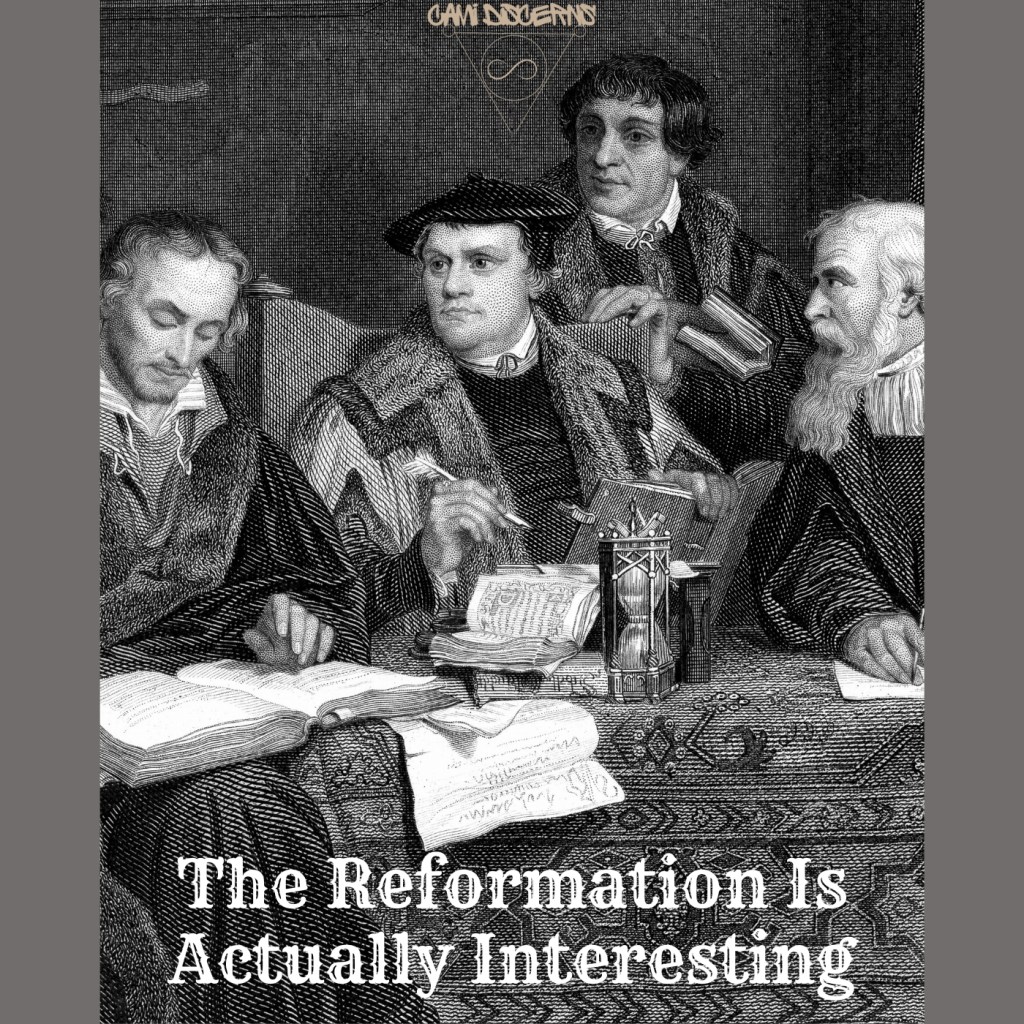
The Reformation stands as a transformative movement in history, forever altering the course of human life.
The Reformation, spearheaded by the influential Martin Luther in the 16th century, stands as a remarkable historical movement that challenged the authority of the Catholic Church and ushered in a wave of new ideas that reverberated throughout the world.
The Reformation not only transformed the religious landscape of Europe, but also had profound impacts on politics, society, and the spread of knowledge. It sparked a re-evaluation of existing power structures and encouraged individuals to question long-standing traditions and beliefs.
The ideas that emerged from this period continue to shape the modern world, making the Reformation a pivotal chapter in history that continues to fascinate and provoke scholarly debate.
The Enduring Legacy of the Reformation
Its profound impact can be attributed to the intellectual and ideological debates it initiated, the far-reaching changes it brought to education, literacy, and gender roles, and the significant political transformations it sparked.
In this Article, we will delve into the captivating aspects of the Reformation, explore its key contributions, and discover the plethora of resources available to deepen our understanding of this fascinating period.
Intellectual and Ideological Debate
At the heart of the Reformation, Martin Luther’s Ninety-Five Theses served as a catalyst, raising questions about controversial church practices, including the sale of indulgences.
This thought-provoking theses sparked vibrant and widespread discussions, paving the way for the emergence of new religious denominations.
The Reformation became a platform for intellectual discourse, challenging traditional beliefs and reshaping the religious landscape.
Transformations in Education, Literacy, and Gender Roles
Another captivating facet of the Reformation lies in the changes it brought to education, literacy, and the role of women in society.
With the rise of Protestantism, the emphasis on individual interpretation of scriptures led to a surge in educational opportunities.
Education became more accessible, empowering people to read and interpret religious texts themselves.
This increase in literacy levels led to a transformation in society, stimulating new ideas, critical thinking, and a thirst for knowledge.
Additionally, the Reformation sparked discussions about the role of women, challenging traditional societal norms and paving the way for greater recognition of their intellectual capabilities.
Political Ramifications and Conflicts
The Reformation also unleashed significant political ramifications, as tensions intensified between Protestantism and Catholicism.
The conflicts ultimately led to wars and political transformations that reverberated across Europe.
One of the notable outcomes was the Peace of Westphalia in 1648, which marked the end of the Thirty Years’ War, directly stemming from the religious divide initiated by the Reformation.
Such political upheavals and transformations shaped the course of history and left an indelible mark on European society.
Resources to Deepen Understanding about the Protestant Reformation
For those seeking to deepen their understanding of the Protestant Reformation, a plethora of resources exist to explore this pivotal period in history. Whether delving into the intellectual and ideological debates, the transformations in education, literacy, and gender roles, or the political ramifications and conflicts, these resources offer valuable insights.
Books and Articles
- “The Reformation: A History” by Diarmaid MacCulloch
- “The Reformation: A Very Short Introduction” by Peter Marshall
- “The Printing Press as an Agent of Change” by Elizabeth L. Eisenstein
- “The Reformation: A Visual History” by Peter Marshall
- “The Reformation: A World in Turmoil” by Andrew Johnston
Documentaries and Films
- “Martin Luther: The Idea that Changed the World”
- “Catholics vs. Convicts: The Reformation and the Counter-Reformation”
- “Inside the Vatican”
- “Secrets of the Dead: The Man Who Saved the World”
- “This Changed Everything: 500 Years of the Reformation”
Online Resources
- Martin Luther’s 95 Theses – Discern All Things
- The Reformation at History.com
- Reformation Studies at University of St Andrews
- Internet Modern History Sourcebook: Reformation Europe
Academic Journals
- “The Journal of Ecclesiastical History”
- “Church History: Studies in Christianity and Culture”
- “Reformation & Renaissance Review”
- “The Sixteenth Century Journal”
- “Central European History”
These resources provide diverse perspectives and in-depth analyses to aid in gaining a comprehensive understanding of the enduring legacy of the Protestant Reformation.
