
Month: September 2023

  • Immanuel Kant: Unraveling the Depths of Knowledge In The Critique Of Pure Reason

    Immanuel Kant: Unraveling the Depths of Knowledge In The Critique Of Pure Reason

    Who is Immanuel Kant?

    Immanuel Kant, a prominent philosopher of the Enlightenment era, revolutionized our understanding of knowledge, ethics, and metaphysics. His influential work, the Critique of Pure Reason, explores the limits and possibilities of human cognition. Kant’s concept of the “categorical imperative” serves as a universal moral compass. His legacy as a beacon of enlightenment challenges us to critically examine our existence.
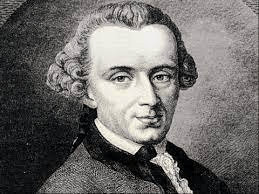
    In this article, we will delve into Kant’s masterpiece, the Critique of Pure Reason, where he explores the nature of knowledge. Kant’s argument emphasizes the interplay between our innate concepts and the sensory experiences that shape our understanding of the world. Let us embark on a journey to unravel the depths of Kant’s philosophical insights.

    Read Free: Critique of Pure Reason

    The Interplay of Innate Concepts and Sensory Experiences:

    Kant posits that our comprehension of the world is not solely reliant on our sensory encounters.

    Instead, he argues for the existence of a priori knowledge, which is inherent and independent of empirical observation. A notable example is the concept of causality, which we grasp even before we have any specific sensory experiences relating to it. This suggests that our understanding of the world is deeply influenced by our innate concepts, which in turn are shaped by reason.

    Many scholars also support Kant’s stance by asserting that our sensory experiences are molded by our pre-existing concepts.

    Read:

    Some notable scholars who endorse this stance include:

    1. John McDowell: McDowell, a contemporary philosopher, embraces Kant’s idea that our conceptual framework shapes our perceptual experiences. He argues for the inseparability of conceptual understanding and sensory perception, emphasizing the role of our pre-existing concepts in structuring our experience of the world.
    2. Hilary Putnam: Putnam, a prominent philosopher of mind and language, aligns with Kant’s view that our concepts influence the way we perceive and interpret the world. He emphasizes the significance of our conceptual schemes in determining the content and meaning of our sensory experiences.
    3. Robert Hanna: Hanna, a Kantian scholar and philosopher, extensively explores the relationship between concepts and perception. He supports Kant’s contention that our pre-existing concepts shape our sensory experiences, emphasizing the role of our cognitive faculties in constructing our understanding of reality.
    4. Patricia Kitcher: Kitcher, a philosopher known for her work on Kant, acknowledges the importance of our conceptual frameworks in shaping our perceptual experiences. She emphasizes the active role of our cognitive capacities in structuring our understanding of the world.

    These esteemed scholars fervently uphold Kant’s concept, making invaluable contributions to the ever-evolving discourse and advancement of Kantian philosophy. With meticulous scrutiny and profound exploration, they fortify the profound impact our pre-existing concepts exert on our perception and understanding of the world that surrounds us.

    Organizing Experiences through Innate Concepts:

    According to Kant, our minds possess the innate capacity to organize and structure our experiences in a manner consistent with our inherent concepts.

    This is evident when different individuals interpret the same sensory experiences differently, based on their unique pre-existing concepts.

    Sebastian Gardner’s book, “Kant and the Critique of Pure Reason,” provides a comprehensive analysis of Kant’s work, shedding light on the significance of both innate concepts and sensory experiences in shaping our understanding of the world. Gardner’s insights further reinforce Kant’s argument, highlighting the intricate relationship between our innate concepts and the interpretation of our experiences.

    Kant argues that while sensory experience provides the raw data, it is our innate concepts that enable us to comprehend and interpret that data.

    These concepts act as organizing principles, guiding our perception and giving shape to our understanding of reality.

    The individual variations in how we interpret sensory experiences arise from the unique combination and configuration of our pre-existing concepts.

    Each person’s conceptual framework is influenced by their own cognitive capacities, cultural background, education, and personal experiences.

    These factors contribute to shaping the specific lens through which they perceive and interpret the world.

    Example:

    For example, when two people observe a sunset, their interpretations may differ based on their conceptual frameworks. One person might focus on the aesthetic beauty and evoke emotions of tranquility, while another might analyze the scientific phenomena behind the colors and atmospheric conditions.

    This diversity of interpretation highlights the subjective nature of perception and the role of our pre-existing concepts in shaping our understanding. Kant’s philosophy prompts us to recognize and appreciate the multiplicity of perspectives that arise from these individual conceptual frameworks.

    Furthermore, Kant’s emphasis on the interplay between our innate concepts and sensory experiences challenges us to reflect on the limitations and biases inherent in our understanding. It encourages us to critically examine the ways in which our conceptual frameworks influence our interpretations and to strive for a more nuanced and comprehensive comprehension of the world.

    In essence, Kant’s philosophy illuminates the intricate relationship between our innate concepts and sensory experiences, highlighting the subjective nature of perception and the role of our pre-existing frameworks in shaping our understanding. By acknowledging and exploring these dynamics, we gain a deeper appreciation for the complexities of human cognition and the rich tapestry of individual perspectives.

    The Intricate Pathways of Kant’s Philosophy:

    Immanuel Kant’s meticulous analysis delves into the intricate pathways through which our thoughts navigate in the vast realm of philosophy. With an intellectual prowess that leaves no stone unturned, he challenges us to question the sources of our knowledge and to embark on a profound exploration of the interplay between our innate concepts and sensory experiences.

    The Critique of Pure Reason shines a light on the profound relationship between our a priori knowledge and the shaping influence of our reason. He beckons us to delve into the very foundations of knowledge, urging us to question the assumptions that underpin our understanding of the world.

    Through his intricate analysis, Kant extends an invitation to embark on a transformative journey of self-reflection and intellectual exploration. He unveils a framework that allows us to grasp the complexities of human understanding and glimpse the profound depths of knowledge that lie within the realm of philosophy.

    Let us embrace the wisdom bestowed upon us by Kant and continue our relentless pursuit of unraveling the mysteries that philosophy holds. For it is through this pursuit that we shall unlock the true essence and purpose of our existence.

    If you’re interested in further exploring Immanuel Kant’s philosophy, here are a few other notable books and resources that delve into his profound ideas:

    1. “Kant: A Very Short Introduction” by Roger Scruton: This concise yet enlightening book provides an accessible introduction to Kant’s philosophy, offering a clear overview of his key concepts and arguments.
    2. “Kant’s Transcendental Idealism: An Interpretation and Defense” by Henry E. Allison: This comprehensive work delves into Kant’s transcendental idealism, examining the intricate nuances of his metaphysical and epistemological system.
    3. “Kant and the Problem of Metaphysics” by Martin Heidegger: Heidegger, a prominent philosopher in his own right, engages with Kant’s philosophy in this thought-provoking text, providing a unique interpretation and critique of Kant’s transcendental philosophy.
    4. “Kant’s Ethical Thought” by Allen W. Wood: For those interested in Kant’s moral philosophy, this book offers a thorough exploration of his ethical thought, focusing on his concept of moral duty and the categorical imperative.
    5. “The Cambridge Companion to Kant” edited by Paul Guyer: This collection of essays by various scholars provides a comprehensive overview of Kant’s philosophy, covering a wide range of topics including metaphysics, epistemology, ethics, and aesthetics.

    These resources, among others, will provide you with a deeper understanding of Kant’s philosophical ideas and their implications. They serve as valuable companions in unraveling the complexities of Kant’s thought and engaging in further intellectual exploration.

    More Resources:

    Kant’s Account of Reason – Stanford Encyclopedia of Philosophy

    Immanuel Kant: Biography, Philosopher, Critique of Pure …

  • The Ultimate Guide to Healing Culture by Healing Yourself

    Learning to Be Your Own Best Friend

    Think about how you’d treat a close friend who’s going through a tough time. Now, apply that same love and understanding to yourself. This is what self-compassion is all about. It’s the soil where personal growth and emotional healing can take root and bloom.

    How to Be Kinder to Yourself:

    • Stay Present: Pay attention to what you’re feeling and thinking, without judging yourself. It’s okay to have emotions; they make us human.
    • Forgive and Move On: We all mess up sometimes. Instead of beating yourself up over past mistakes, forgive yourself. Remember, stumbling is part of the journey.
    • Take Care of You: Do things that make you feel good, whether it’s a walk in the park, painting, or simply enjoying a cup of tea. These are not indulgences; they’re necessities.
    • Be Your Own Cheerleader: Swap out that critical inner voice for one that’s supportive and uplifting. Remind yourself of your worth and all the good you bring to the world.

    The Adventure of Finding Your True Self

    Finding out who you really are is like going on an epic adventure. It takes courage to dig deep into your beliefs, dreams, and what really makes you tick. Along the way, you’ll need to shed the expectations and limitations that you—or society—have placed on you. Here’s how to navigate this exciting journey:

    Reflect Deeply

    Take some quiet time to really think about what you want in life, what makes you happy, and what your core values are. You could jot down your thoughts in a journal or meditate on them.

    Reconnect with Your Passions

    Life gets busy, and sometimes we forget the things that once brought us joy. Take some time to rediscover those forgotten hobbies or activities. You’ll be amazed at how much energy it can bring back into your life.

    Learn to Say No

    Your well-being is important, and that means setting boundaries. Don’t be afraid to turn down commitments that don’t align with your values or that drain you emotionally. Your time is precious; spend it on things that matter to you.

    Build a Tribe

    Finally, surround yourself with people who get you. Look for friendships and communities that not only accept but also celebrate the real you. These connections can be a powerful source of support as you continue on your path to self-discovery.

    Resources:

    Jordan Peterson

    Jordan Peterson: The Importance of the Individual – This article delves into Peterson’s philosophy that emphasizes the significance of individual responsibility and self-improvement over collective ideologies. Read more

    12 Rules for Life: An Antidote to Chaos – In his book, Peterson argues that individuals should focus on sorting themselves out before attempting to fix societal issues. Read more

    Carl Jung

    Man and His Symbols – In this book, Jung explores the symbolic language of the unconscious and its role in personal growth and healing. He delves into dream interpretation, archetypes, and the process of individuation. Read more

    The Red Book – This is a personal journal and exploration of Jung’s own inner journey, filled with visionary experiences, reflections, and artwork. It offers insight into his concepts of the collective unconscious and the integration of unconscious material. Read more

    Memories, Dreams, Reflections – Jung recounts his life story, discussing his childhood, career, and his development of analytical psychology. This autobiography provides an intimate look into his personal experiences and the evolution of his ideas. Read more

    Psychological Types – In this work, Jung introduces the concept of psychological types and the distinction between introversion and extraversion. He explores the different ways individuals perceive the world and make decisions, providing insights into personality and self-discovery. Read more

    Freidreich Nietzsche

    Thus Spoke Zarathustra (Also Sprach Zarathustra) – Nietzsche’s most famous work, this philosophical novel explores the concept of the “overman” or “superman” who embraces individuality and overcomes societal constraints. It emphasizes the importance of personal growth and self-realization. Read more

    Beyond Good and Evil (Jenseits von Gut und Böse) – In this book, Nietzsche challenges traditional moral values and encourages individuals to question societal norms. He emphasizes the need for critical thinking and the pursuit of personal truths, rather than blindly following established beliefs. Read more

    The Gay Science (Die fröhliche Wissenschaft) – This work explores various themes related to human existence, including the importance of individual creativity and the rejection of herd mentality. Nietzsche encourages individuals to embrace their unique perspectives and live authentically. Read more

    Mindfulness Definition | What Is Mindfulnes

    87 Self-Reflection Questions for Introspection [+Exercises]

    Listing Hobbies and Interests on Your Resume (With Examples)

  • Embracing the Journey of Self-Discovery: Cultivating Self-Compassion and Reconnecting with Your Authentic Self

    Throughout this intricate journey of self-discovery, it is essential to cultivate self-compassion and patience. Healing the wounds caused by self-abandonment requires a gentle and understanding approach.

    Developing self-compassion

    Self-compassion involves treating ourselves with the same kindness, care, and understanding that we would offer to a close friend or loved one. By acknowledging our own suffering and extending compassion towards ourselves, we create a nurturing environment for personal growth and healing.

    Here are some practices to foster self-compassion:

    1. Mindful Self-Awareness: Cultivate awareness of your thoughts, feelings, and body sensations without judgment. Allow yourself to fully experience your emotions and acknowledge them without criticism.
    2. Self-Forgiveness: Release self-blame and guilt by forgiving yourself for past mistakes or perceived shortcomings. Understand that making mistakes is a natural part of being human, and growth comes from learning and moving forward.
    3. Self-Care: Prioritize self-care activities that nourish your body, mind, and soul. Engage in activities that bring you joy, peace, and relaxation, whether it’s practicing mindfulness, spending time in nature, pursuing hobbies, or indulging in self-care rituals.
    4. Positive Self-Talk: Replace self-critical inner dialogue with kind, supportive, and uplifting words. Challenge negative self-beliefs and replace them with positive affirmations that reinforce your worth and potential.

    Reconnecting with your authentic self

    Reconnecting with your authentic self requires a willingness to explore your desires, values, and passions while dismantling societal or self-imposed expectations. Here are some steps to help you connect with your true essence:

    1. Self-Reflection: Take time for self-reflection and journaling. Explore your aspirations, interests, and values. Ask yourself what truly brings you joy and what makes you feel alive.
    2. Rediscovering Passions: Revisit activities or hobbies you enjoyed in the past but may have abandoned. Engaging in creative pursuits, sports, or anything that brings you joy can help rekindle your true passions.
    3. Setting Boundaries: Establish healthy boundaries to protect your time, energy, and emotional well-being. Say no to commitments that do not align with your values or drain you. Prioritize activities that are in alignment with your authentic self.
    4. Surrounding Yourself with Support: Seek out positive and supportive relationships. Connect with individuals who accept and embrace your authentic self. Engage in communities or groups that share your interests and values.

    10 Traits That Make a Positive Community

    Remember, this journey of self-reconnection is unique to each individual. Be patient and compassionate with yourself as you navigate the process. Embrace the challenges and celebrate the small victories along the way. You are worthy of living an authentic and fulfilling life. Trust in your ability to rediscover and nurture the essence of who you truly are.

    Resources:

    Mindfulness Definition | What Is Mindfulnes

    87 Self-Reflection Questions for Introspection [+Exercises]

    Listing Hobbies and Interests on Your Resume (With Examples)

  • The Dark Side of Advanced Surveillance: The Rise of Harassment Technologies

    With the rapid advancements in technology, the capabilities of surveillance have expanded beyond imagination.

    Governments and powerful organizations now possess unprecedented tools to monitor, harass, and control individuals.

    This essay will delve into the disturbing world of advanced surveillance and harassment technologies, exploring the different levels of invasion of privacy and potential abuse of power.

    From eavesdropping equipment to mind control experiments, this essay aims to shed light on the risks posed by these technologies.

    Listening Devices and Satellite Systems

    One of the most intrusive surveillance methods is the use of eavesdropping equipment facilitated by lasers.

    These advanced devices can be deployed through satellite or ground-based systems.

    From rifle microphones to the misuse of communication and military satellites, the capabilities of audio monitoring have become highly sophisticated, allowing for real-time surveillance and the interception of private conversations.

    Visual Monitoring and Experimental Equipment:

    Visual monitoring techniques have also reached new heights with the use of thermal imaging satellites and aircraft-based systems. Weather satellites, along with undisclosed technologies with dual capabilities, are harnessed to track individuals and record their movements covertly.

    Furthermore, there are experimental equipment and brainwave monitoring technologies that utilize satellites to analyze the data obtained from an individual’s thoughts. This invasive method of surveillance raises significant ethical concerns and questions about the boundaries of privacy.

    Mind Control and Star Wars Technologies:

    While mind control may seem like something out of science fiction, ongoing research suggests that remote mind control is a topic under exploration.

    This disturbing development showcases the boundaries society is pushing when it comes to surveillance and power.

    Coupled with the development of more extensive “Star Wars” technologies, it becomes evident that the scope of surveillance and control is expanding beyond what was initially envisioned.

    The US Star Wars project, which served as a cover for the establishment of these surveillance technologies, highlights the clandestine nature of these advancements.

    Targeting Individuals and Their Experiences:

    The individuals targeted by advanced surveillance and harassment technologies often experience aural signals and visual interference. These signals can manifest as hearing voices, music, or other noises, while visual interference may take the form of holographs or haze. The psychological impact on targeted individuals cannot be underestimated, as their sense of privacy and security is violated, leading to emotional distress and paranoia.

    Conclusion:

    The advancements in surveillance technologies have raised alarming concerns about the invasion of privacy and abuse of power.

    As we delve further into the realm of advanced surveillance and harassment technologies, it becomes imperative to address the ethical considerations and potential dangers associated with these developments.

    The covert monitoring and mind control experiments are just the tip of the iceberg, signaling the need for stricter regulations and public awareness. It is essential for society to strike a balance between security and privacy, ensuring that the potential for abuse is mitigated while upholding fundamental human rights.

  • The Path to Wisdom: Embracing Foolishness as a Catalyst for Growth

    The Path to Wisdom: Embracing Foolishness as a Catalyst for Growth

    In our quest for wisdom, we often overlook the valuable lessons that foolishness can impart.

    The journey towards true enlightenment requires experiencing both the heights of wisdom and the depths of foolishness. It is through the pain and humility of our own foolish actions that we gain a profound understanding of our flaws and the arrogance that often accompanies them.

    But how can embracing foolishness be a catalyst for growth, you may wonder? It is in our moments of folly that we are confronted with the stark reality of our own limitations. These moments serve as powerful wake-up calls, forcing us to reevaluate our beliefs and behaviors. Only by acknowledging our own foolishness can we start to rectify our shortcomings and embark on a path of true growth.

    Yet, so often we are resistant to admitting our own foolish actions. We fear being judged or seen as weak by others. However, true wisdom is not found in the opinions of others, but rather in our ability to recognize and learn from our mistakes.

    Here are some key insights into how embracing foolishness can pave the way to wisdom:

    1. Cultivating Humility

    Foolishness humbles us in profound ways. By accepting our own fallibility, we develop a sense of humility that enables us to learn from others. It opens our hearts and minds to different perspectives, fostering a greater understanding of the world around us.

    2. Embracing Vulnerability

    Acknowledging our foolishness requires vulnerability. It involves letting go of ego and embracing our imperfections. When we embrace vulnerability, we create opportunities for deeper connections and meaningful growth.

    3. Gaining Self-Awareness

    Moments of foolishness provide invaluable opportunities for self-reflection. They shed light on the aspects of ourselves that need improvement or development. By recognizing our own weaknesses, we can strive to become better versions of ourselves.

    4. Developing Resilience

    Mistakes and failures are inevitable in life. Embracing foolishness teaches us resilience — the ability to bounce back from setbacks and use them as stepping stones to success. It fosters an unwavering determination to persevere, despite the challenges we face.

    5. Expanding Creativity

    Foolishness often arises from thinking outside the box and taking risks. Embracing foolishness encourages us to tap into our creative potential, freeing us from the constraints of convention and encouraging innovative thinking.

    Conclusion

    In our journey towards wisdom, it is crucial to recognize the transformative power of foolishness. Rather than shying away from our own mistakes and blunders, we should embrace them as opportunities for growth. By cultivating humility, embracing vulnerability, gaining self-awareness, developing resilience, and expanding creativity, we can unlock the true potential of wisdom.

    So, let us not shy away from the lessons foolishness has to offer. Embrace your own folly and embark on the path to true wisdom. Remember, the road to enlightenment is paved with both wisdom and foolishness, and it is through embracing both that we can ultimately become wiser, more compassionate beings.

  • Understanding the Manipulative Behavior of Pathological Liars and Enablers

    Understanding the Manipulative Behavior of Pathological Liars and Enablers

    Pathological liars and enablers can engage in behavior that is not only socially harmful but can also have physical and emotional consequences.

    One of the tactics they often employ is triangulation, a manipulative strategy that involves deceiving others for their own advantage in social dynamics.

    In this blog post, we will delve into the reasons behind their resorting to such tactics and explore the detrimental effects they can have on individuals and relationships.

    The Motivation Behind Pathological Liars’ Behavior

    Pathological liars are driven by a need for control, power, and a sense of self importance.

    Photo by Lukas Rodriguez on Pexels.com

    By manipulating the emotions and psychological well-being of others, they temporarily alleviate their own anxiety and bolster their inflated self-esteem. Deception becomes an addictive pattern, allowing them to assert dominance over their surroundings.

    Triangulation, as a manipulative technique, serves as a means for pathological liars to maintain control.

    Through lies and deceit, they aim to influence the emotions and psychological state of those around them, ultimately seeking dominance and power in their relationships.

    The Destructive Nature of Enablers

    Enablers play a crucial role in perpetuating the harmful dynamics created by pathological liars.

    Photo by Lisa Fotios on Pexels.com

    They often turn a blind eye to the lies and manipulations, unwittingly empowering the liar’s behavior.

    This can be emotionally and socially abusive, as it allows the pathological liar to continue their destructive patterns without consequence.

    The Psychological Driving Forces

    Pathological liars resort to deception as a coping mechanism to avoid confronting their own issues and engaging in self-reflection.

    Their behavior stems from a combination of narcissism, emotional detachment, and a lack of emotional intelligence.

    This leads to a limited capacity for personal growth and an inability to empathize with others.

    Breaking Free from the Grip

    If you find yourself targeted by a pathological liar or caught in the web of their manipulations, it is vital to remember that there is hope.

    The universe has a way of replacing what was lost, often with something even more fulfilling and significant.

    By escaping the toxic influence of a pathological liar and their enabling accomplices, you can find healing and regain control over your own life.

    The manipulative behavior of pathological liars and enablers is driven by a need for control, power, and a distorted sense of self-importance.

    However, by understanding the destructive nature of their tactics, recognizing the role of enablers, and breaking free from their influence, individuals can reclaim their lives and find solace in knowing that the universe has a way of restoring what has been taken away.

    If you have been affected by pathological lying or manipulation, consider seeking support from a trusted friend, family member, or professional therapist who can assist you on your journey to healing and self-discovery.

  • The Doctrine of Salvation by Faith Alone in Christianity

    The Doctrine of Salvation by Faith Alone in Christianity

    Sola Fide

    Sola fide, also known as justification by faith alone, was a key doctrine of the Protestant Reformation.

    It emphasizes that salvation is attained through faith in Jesus Christ alone, and not through any works or merit of our own.

    Prior to the Reformation, the Catholic Church taught that salvation was achieved through a combination of faith and works. The church believed that individuals had to earn their way into heaven by performing acts of righteousness, participating in sacraments, and following church laws and traditions.

    However, during the 16th century, Martin Luther and other Reformers challenged this understanding of salvation. They argued that the Bible teaches that salvation is a gift from God, granted to individuals solely on the basis of their faith in Jesus Christ. They believed that human efforts and good works could never be enough to earn salvation.

    The Reformers based their teachings on key passages from the Bible, such as Ephesians 2:8-9: “For it is by grace you have been saved, through faith—and this is not from yourselves, it is the gift of God—not by works, so that no one can boast.” They emphasized the sufficiency of Christ’s sacrifice on the cross for the forgiveness of sins, and the need for individuals to trust in Jesus alone for salvation.Sola fide remains a central doctrine in Protestant theology. It asserts that faith in Christ is the only means of justification before God, and that good works are a result of genuine faith, but not a means to earn salvation.

    This doctrine had profound implications for both the individuals and the church as a whole. It emphasized the personal relationship between an individual and God, as well as the sufficiency of Christ’s sacrifice for salvation. It also challenged the authority and practices of the Catholic Church, leading to a major schism between Catholicism and Protestantism.

    The Doctrine of Faith Alone, also known as Sola Fide, is a theological concept that originated during the Protestant Reformation in the 16th century. It holds that faith in Jesus Christ is the sole means of attaining salvation, and that good works are not necessary for salvation.

    Read More

    This doctrine stands in contrast to the Catholic teaching of justification, which emphasizes a combination of faith and good works.

    According to the Doctrine of Faith Alone, salvation is a gift from God that is received through faith alone, apart from any human effort or merit.Advocates of the Doctrine of Faith Alone argue that this belief is based on the teachings of the Bible, particularly the letters of the apostle Paul. They point to passages such as Ephesians 2:8-9, which states, “For it is by grace you have been saved, through faith – and this is not from yourselves, it is the gift of God – not by works, so that no one can boast.”

    Supporters of this doctrine assert that good works are a natural outpouring of genuine faith, but they do not contribute to one’s justification or salvation. They believe that salvation is solely the result of God’s grace, freely given to those who put their trust in Jesus Christ.

    • What does it mean when we say that faith alone saves us in Christianity?
    • Can we still be saved if we continue to sin?
    • How can we have faith in Jesus Christ?
    • Can good works earn us salvation in Christianity?
    • Why is the doctrine of salvation by faith alone important in Christianity?

    The topic of salvation is central to Christianity, as it defines what it means to be a follower of Christ.

    The belief that faith alone saves us is a key aspect of Christianity. However, there can be confusion about what this concept truly means.

    In this article, we will address five questions that will help clarify the doctrine of salvation.

    What does it mean when we say that faith alone saves us in Christianity?

    “For it is by grace you have been saved, through faith—and this is not from yourselves, it is the gift of God—not by works, so that no one can boast.” Ephesians 2:8-9

    When we affirm that faith is the sole means by which we are saved, we are asserting that our unwavering trust in Jesus Christ is the only requirement for being delivered from the repercussions of sin and attaining everlasting life. Salvation pertains to our rescue from the punishment of sin, which results in eternal death, as well as our deliverance into a life filled with divine favor and everlasting existence. Our faith in Christ represents the reliance and certainty we have in Him, firmly believing that He is indeed the person He claims to be and that He is fully capable of fulfilling His promises. This encompasses trusting in His sacrificial death on the cross for the forgiveness of our sins and His resurrection, which grants us both absolution and the promise of eternity. Thus, it is faith alone, not our good deeds or any other factor, that serves as the means of our salvation.

    Can we still be saved if we continue to sin?

    Salvation is an act of God’s grace, not based on one’s own efforts or works. Humans are naturally sinful and unable to save themselves. It is only through faith in Jesus Christ and his redemptive work that someone can be saved.

    The transformative work of the Holy Spirit in the believer’s life entails ongoing sanctification, a process of becoming more like Christ. It includes repentance and turning away from sin.

    Believers will still struggle with sin and may fall into sin at times. But the assurance of salvation rests on the belief that God’s grace is sufficient to forgive and restore those who genuinely repent and seek forgiveness. While believers may continue to sin, the transformative work of the Holy Spirit should lead them toward repentance and growth in holiness, where sin diminishes.

    The Bible teaches that our works are evidence of our faith (James 2:14-26).

    When we have genuine faith in Christ, it will lead us to obey Him and perform good works. While we will still fall into sin, our desire will be to please God and do what is right. Salvation by faith alone does not provide a license to sin, but rather motivates us to live holy and obedient lives out of gratitude for what Christ has done for us.

    How can we have faith in Jesus Christ?

    “For it is by grace you have been saved, through faith—and this is not from yourselves, it is the gift of God—not by works, so that no one can boast.” – Ephesians 2:8-9

    Faith is a gift from God; we cannot produce it on our own. God primarily imparts faith through His Word, the Bible.

    In the book of Romans, it is written,

    “So faith comes from hearing, and hearing through the word of Christ” (Romans 10:17).

    As we read, study, and meditate on His Word, our faith grows.

    Importance of prayer: Through prayer, we humbly come before the Lord, acknowledging our dependence on Him and expressing our desires, concerns, and praises.

    The book of James reminds us of the power of prayer, stating, “If any of you lacks wisdom, let him ask God, who gives generously to all without reproach, and it will be given him” (James 1:5).

    The apostle Paul encourages us to “pray without ceasing” (1 Thessalonians 5:17). Through persistent prayer, we develop a deeper reliance on God and a greater understanding of His faithfulness. Our faith is nourished as we lay our burdens before Him.

    Can good works earn us salvation in Christianity?

    No, salvation is obtained solely by the Good Works of God, not by our own efforts.

    Good works are a natural outpouring of faith, they are not the means by which salvation is obtained nor kept.

    Titus 3:5 says we are saved “not by deeds done in righteousness, but according to [God’s] mercy.” While God calls us to live righteously, it is ultimately out of grateful response for his mercy and grace that saves us, not as a means to earn or obtain that salvation.

    Romans 3:20 tells us “no one will be declared righteous in God’s sight by the works of the law; rather, through the law we become conscious of our sin.” Our good works cannot save us or make us righteous before a perfectly holy God. Our works fall short.

    Why is the doctrine of salvation by faith alone important in Christianity?

    The doctrine of salvation by faith alone is crucial in Christianity as it emphasizes that salvation is not dependent on one’s actions or good works, but rather on faith in God. It helps guard against legalism and self-righteousness, promotes unity among believers, and highlights the transformative power of faith.

    Overall, it upholds the principles of grace and mercy.

  • Exploring Metaphors in the Old Testament

    Exploring Metaphors in the Old Testament

    The Power of Metaphors in Illuminating Spiritual Truths

    Metaphors have been widely used in religious/spiritual texts to convey ideas like the nature of God, salvation, enlightenment, etc. Examples could include God as a father/shepherd, Jesus as the light/bread of life, nirvana as extinguished flame.

    • Neuroscience has found metaphor processing involves overlapping neural pathways between concrete/abstract concepts. This suggests metaphors fulfill a deeper cognitive function in how we conceptualize and communicate ideas.
    • Using metaphors engages both the rational mind and intuitive faculties, allowing for ‘ah-ha’ moments of insight beyond intellectual understanding alone. They provoke associations that shift perspectives.
    • Culturally/historically, metaphorical language predominated in times when direct discussion of spiritual truths was discouraged or difficult. Metaphors offered a way for these ideas to be seeded.

    Metaphors have a unique ability to convey complex ideas by drawing upon familiar experiences and relating them to deeper, non-material aspects of our existence. They evoke emotions, create vivid imagery, and challenge our perspectives, allowing us to grasp deeper meanings that go beyond the surface level.

    Spiritual Truths

    In the realm of spirituality, metaphors play a significant role in shedding light on profound truths that are often difficult to articulate directly.

    One of the fundamental aspects of metaphors is their use of non-objectively real truths to explain actual truths.

    They transcend the confines of the material world, which represents a transient and illusory reality. However, due to our limited ability to directly perceive the spiritual realm, humans often perceive the material world as the ultimate truth. Metaphors serve as a bridge between these two realms, conveying the reality and substance of the spiritual dimension while contrasting it with the transience and impermanence of the physical world.

    Old Testament/ Covenant

    In the context of the Old Testament, metaphors are prevalent and serve as powerful tools for conveying profound spiritual truths.

    The Old Testament, often seen as a mere shadow or representation of these truths, offers a tangible manifestation of deeper spiritual realities.

    However, one cannot fully capture the true essence of the spiritual realm without the spiritual eyes to see.

    Just as physical eyes allow us to perceive the material realm, spiritual eyes enable us to perceive the hidden truths and realities of the spiritual realm. These spiritual eyes are not bound by the constraints of time and space, nor are they limited by the boundaries of the material world. They possess the ability to see beyond the surface, to discern the subtle energies and vibrations that exist in the spiritual realm.

    The mention of the “Old” Covenant itself highlights its temporal and material nature. The Old Covenant, established through the Mosaic Law, was a necessary step in the spiritual journey of humanity.

    The stories, narratives, and poetic verses in the Old Testament employ metaphorical language to convey these profound spiritual truths that were later revealed even further through the New Testament and the person of Christ.

    Wolf Will Lie With Lamb

    One such metaphor can be found in the book of Isaiah, where it is written, “The wolf shall dwell with the lamb, and the leopard shall lie down with the young goat; and the calf and the lion and the fattened calf together; and a little child shall lead them” (Isaiah 11:6).

    This passage symbolizes a future time of harmony and unity, where even the fiercest of creatures will coexist peacefully. It hints at the breaking of the veil, where the spiritual and material realms will no longer be separate, but intertwined.

    God’s Spirit Poured On All Flesh in Joel

    “And it shall come to pass afterward, that I will pour out my Spirit on all flesh; your sons and your daughters shall prophesy, your old men shall dream dreams, and your young men shall see visions” (Joel 2:28).

    This prophecy speaks of a time when divine revelation will be accessible to all, regardless of age or social standing. It suggests that the barrier between the spiritual and material worlds will be lifted, allowing a direct connection between humanity and the divine.

    Valley Of Dry Bones in Ezekiel

    The book of Ezekiel contains a powerful vision that foreshadows the breaking of the veil.

    In this vision, Ezekiel sees a valley filled with dry bones, which represent the lifeless state of humanity. However, as he prophesies, the bones come together, sinews and flesh cover them, and breath enters them, bringing them back to life (Ezekiel 37:1-14).

    This metaphorical resurrection signifies the renewal and transformation that will occur when the veil is shattered, bringing forth a new revelation and spiritual awakening by the Holy Spirit.

    Jonah and the Whale.

    One example of metaphorical storytelling in the Old Testament is the story of Jonah and the whale.

    While it may seem like a simple tale of a prophet being swallowed by a great sea creature, it symbolizes the human struggle with divine calling and the consequences of sin. Jonah’s journey inside the whale represents a period of introspection and repentance before ultimately being delivered from his plight.

    Moses Leading Israelites Out of Egypt

    Another powerful metaphor can be found in the story of Moses leading the Israelites out of Egypt.

    On the surface, it recounts a historical account of a nation’s liberation from slavery. However, delving deeper reveals a profound spiritual truth. The Exodus narrative becomes a metaphor for the human journey of liberation from the bondage of sin and the pursuit of spiritual freedom.

    The Sacrificial System

    The sacrificial system outlined in the Old Testament is yet another example of metaphorical representation of spiritual truths.

    The various animal sacrifices and rituals, though physical and tangible in nature, symbolize the need for repentance, atonement, and reconciliation with the divine. These external rituals serve as visual representations of the internal spiritual yearnings for forgiveness and restoration.

    The prophecies found in the Old Testament offer glimpses into the spiritual realm and provide insights into the divine plan for humanity.

    Veiled in poetic language, these prophetic words point to greater spiritual realities and offer guidance, encouragement, and warnings to the people of that time and beyond.

    In Isaiah 40:3-5, we find a prophecy that speaks of the coming of a messenger who will prepare the way for the Lord:

    “A voice of one calling:
    ‘In the wilderness prepare
    the way for the Lord;
    make straight in the desert
    a highway for our God.
    Every valley shall be raised up,
    every mountain and hill made low;
    the rough ground shall become level,
    the rugged places a plain.
    And the glory of the Lord will be revealed,
    and all people will see it together.
    For the mouth of the Lord has spoken.’”

    To truly grasp the depths of these metaphors, one must go beyond the material understanding and open their minds to the profound spiritual realities they represent. Metaphors use tangible and relatable elements to transcend the physical realm, allowing us to perceive and comprehend the profound truths of the spiritual dimension.

    In conclusion, metaphors serve as powerful tools for illuminating spiritual truths that go beyond our limited perception of the material world. Through metaphorical language, the Old Testament conveys profound spiritual realities, offering glimpses into the spiritual realm and providing guidance for the human journey towards spiritual growth and understanding. With open eyes and ears, we can truly see and hear the profound truths that metaphors reveal.

    Overview:


    • Communicating Abstract Concepts: Metaphors are effective in communicating abstract ideas like salvation, enlightenment, and the nature of God by relating them to familiar concepts such as light, bread, or shepherd.
    • Cognitive Processing: Neuroscience reveals that the brain processes metaphors through overlapping neural pathways between concrete and abstract concepts, suggesting metaphors are deeply rooted in cognitive function.
    • Engaging Intuition: Metaphors engage both the rational and intuitive faculties, provoking insights that go beyond intellectual understanding.
    • Historical Usage: Historically, metaphors were vital in times when direct discussion of spiritual truths was not possible or was discouraged. They offered a subtle means to communicate these truths.
    • Transcending Material Reality: Metaphors bridge the gap between the physical world, which is transient and illusory, and the spiritual realm, which is often difficult to perceive directly.
    • Old Testament Examples: The Old Testament uses metaphors as a tool for conveying spiritual truths. These metaphors hint at deeper realities behind the physical world.
    • Prophetic Language: The Old Testament contains prophecies veiled in metaphorical language, pointing to spiritual realities and the divine plan for humanity.
    • Spiritual Perception: Comprehending metaphors in spiritual texts requires a kind of “spiritual sight” – an intuitive understanding that transcends material reality.
    • “Wolf Will Lie With Lamb”: Represents a future time of harmony and unity (Isaiah 11:6).
    • “God’s Spirit Poured On All Flesh”: Speaks of a time when divine revelation will be accessible to all (Joel 2:28).
    • “Valley Of Dry Bones”: Signifies spiritual renewal and transformation (Ezekiel 37:1-14).
    • “Jonah and the Whale”: Symbolizes the human struggle with divine calling and repentance.
    • “Moses Leading Israelites Out of Egypt”: Represents liberation from spiritual bondage.
    • “The Sacrificial System”: Symbolizes the need for repentance, atonement, and reconciliation with the divine.
    • Specific Biblical Metaphors:
      • “Wolf Will Lie With Lamb”: Represents a future time of harmony and unity (Isaiah 11:6).
      • “God’s Spirit Poured On All Flesh”: Speaks of a time when divine revelation will be accessible to all (Joel 2:28).
      • “Valley Of Dry Bones”: Signifies spiritual renewal and transformation (Ezekiel 37:1-14).
      • “Jonah and the Whale”: Symbolizes the human struggle with divine calling and repentance.
      • “Moses Leading Israelites Out of Egypt”: Represents liberation from spiritual bondage.
      • “The Sacrificial System”: Symbolizes the need for repentance, atonement, and reconciliation with the divine.
    • Modern Interpretation and Personal Growth: In modern times, individuals can use the metaphors within spiritual texts to facilitate personal growth and deeper understanding of spirituality.
    • Cross-Cultural Perspectives: Metaphors in spiritual texts are not exclusive to one culture or religion. They are found across various spiritual traditions, each using distinct metaphors to convey similar truths.
    • Emotional Resonance: Metaphors evoke emotions and create vivid imagery, making spiritual concepts resonate more deeply with individuals.
    • Perspective Shifts: Through metaphors, individuals are challenged to shift their perspectives and grasp deeper meanings beyond the surface level.
    • Conveying Complexity Simply: Metaphors are capable of conveying complex spiritual truths in a relatively simple manner by drawing upon familiar experiences.
  • The Power of Discernment:

    “He who corrects a scoffer gets shame for himself, And he who rebukes a wicked man  only harms himself. Do not correct a scoffer, lest he hate you; Rebuke a wise man, and he will love you. Give instruction to a wise man, and he will be still wiser; Teach a just man,  and he will increase in learning.

    Proverbs 9: 7-9

    The above passage begins by cautioning against correcting or rebuking a scoffer or a wicked person. Attempting to correct those who mock or hold malicious intentions will not yield fruitful results.

    A Scoffer Will Turn The Correction Around On You

    If dealing with a scoffer or mocker you, while offering correction will, in turn, face shame or harm as a result. They will seek to destroy you to avoid themselves. Not everyone is receptive to criticism or willing to change their ways, let alone acknowledge their shortcomings.

    On the other hand, the verse advises that offering rebuke or instruction to a wise or just individual can have a positive impact. A wise person, when corrected, is more likely to appreciate the feedback and grow from it. Similarly, a just person, when taught, will further enhance their knowledge and understanding.

    Underlying Message

    The underlying message here is the importance of discerning who is open to receiving guidance and correction. It is wise to invest our time and energy in those who are receptive and willing to learn, as they are the ones who will value and benefit from our instruction.

    In a broader sense, this passage also speaks to the power of wisdom and the continuous pursuit of knowledge. It recognizes that wise individuals are open to learning and are not threatened by correction or instruction. By embracing these opportunities, they further enhance their understanding and grow in wisdom.

    Determining whether someone is receptive to guidance and correction can be quite the challenge. However, there are certain indicators that can help us assess their willingness to learn and grow. Allow me to delve into a few factors that should be taken into consideration:

    QUESTION:

    How can we determine if someone is receptive and open to receiving guidance and correction?

    They won’t succumb to defensiveness or dismissal when faced with alternative viewpoints. Instead, they will exhibit a genuine willingness to hear and consider different opinions.

    OVERVIEW:

    1. Willingness to listen and engage in dialogue

    2. Humility and self-awareness

    3. Demonstrating a growth mindset

    4. Seeking feedback and constructive criticism

    5. Being open to learning from others.

    1. Willingness to listen and engage in dialogue:

    A truly receptive individual will demonstrate an openness to listening to diverse perspectives and engaging in meaningful conversations. They won’t succumb to defensiveness or dismissal when faced with alternative viewpoints. Instead, they will exhibit a genuine willingness to hear and consider different opinions.

    2. Humility and self-awareness:

    Those who are open to guidance and correction often possess a humble demeanor and a strong sense of self-awareness. They readily acknowledge that they don’t have all the answers and are willing to recognize their own limitations. These individuals embrace self-reflection and actively address areas where they have room for improvement.

    3. Demonstrating a growth mindset:

    People with a growth mindset firmly believe that their abilities and intelligence can be developed through effort, learning, and feedback. They perceive challenges and feedback as opportunities for personal growth, rather than personal setbacks. This mindset indicates a receptiveness to guidance and correction, as it aligns with the belief that personal development is an ongoing journey.

    4. Seeking feedback and constructive criticism:

    Individuals who actively seek feedback and constructive criticism exemplify an openness to learning and improvement. They understand the value of feedback and how it can provide valuable insights. Moreover, they possess the humility to accept and integrate feedback into their personal and professional development.

    5. Being open to learning from others:

    A receptive individual deeply values the knowledge and experiences of others. They are open to learning from various sources, such as mentors, teachers, colleagues, and even those in subordinate positions. This openness signifies their willingness to receive guidance and correction from a multitude of perspectives.

    In conclusion, the passage from Proverbs 9:7-9 emphasizes the importance of discerning who is receptive to guidance and correction. It reminds us to invest our time and energy in those who are open to learning and growing. By engaging with individuals who exhibit humility, a growth mindset, and a willingness to listen, we can foster a culture of continuous improvement and wisdom.

  • The Power of Discernment: Guiding the Receptive and Nurturing Growth

    “He who corrects a scoffer gets shame for himself, And he who rebukes a wicked man  only harms himself. Do not correct a scoffer, lest he hate you; Rebuke a wise man, and he will love you. Give instruction to a wise man, and he will be still wiser; Teach a just man,  and he will increase in learning.

    Proverbs 9: 7-9

    The above passage begins by cautioning against correcting or rebuking a scoffer or a wicked person. Attempting to correct those who mock or hold malicious intentions will not yield fruitful results.

    A Scoffer Will Turn The Correction Around On You

    If dealing with a scoffer or mocker you, while offering correction will, in turn, face shame or harm as a result. They will seek to destroy you to avoid themselves. Not everyone is receptive to criticism or willing to change their ways, let alone acknowledge their shortcomings.

    On the other hand, the verse advises that offering rebuke or instruction to a wise or just individual can have a positive impact. A wise person, when corrected, is more likely to appreciate the feedback and grow from it. Similarly, a just person, when taught, will further enhance their knowledge and understanding.

    Underlying Message

    The underlying message here is the importance of discerning who is open to receiving guidance and correction. It is wise to invest our time and energy in those who are receptive and willing to learn, as they are the ones who will value and benefit from our instruction.

    In a broader sense, this passage also speaks to the power of wisdom and the continuous pursuit of knowledge. It recognizes that wise individuals are open to learning and are not threatened by correction or instruction. By embracing these opportunities, they further enhance their understanding and grow in wisdom.

    QUESTION:

    How can we determine if someone is receptive and open to receiving guidance and correction?

    They won’t succumb to defensiveness or dismissal when faced with alternative viewpoints. Instead, they will exhibit a genuine willingness to hear and consider different opinions.

    OVERVIEW:

    1. Willingness to listen and engage in dialogue

    2. Humility and self-awareness

    3. Demonstrating a growth mindset

    4. Seeking feedback and constructive criticism

    1. Willingness to listen and engage in dialogue: A truly receptive individual will demonstrate an openness to listening to diverse perspectives and engaging in meaningful conversations. They won’t succumb to defensiveness or dismissal when faced with alternative viewpoints. Instead, they will exhibit a genuine willingness to hear and consider different opinions.

    2. Humility and self-awareness: Those who are open to guidance and correction often possess a humble demeanor and a strong sense of self-awareness. They readily acknowledge that they don’t have all the answers and are willing to recognize their own limitations. These individuals embrace self-reflection and actively address areas where they have room for improvement.

    3. Demonstrating a growth mindset: People with a growth mindset firmly believe that their abilities and intelligence can be developed through effort, learning, and feedback. They perceive challenges and feedback as opportunities for personal growth, rather than personal setbacks. This mindset indicates a receptiveness to guidance and correction, as it aligns with the belief that personal development is an ongoing journey.

    4. Seeking feedback and constructive criticism: Individuals who actively seek feedback and constructive criticism exemplify an openness to learning and improvement. They understand the value of feedback and how it can provide valuable insights. Moreover, they possess the humility to accept and integrate feedback into their personal and professional development.

    5. Being open to learning from others: A receptive individual deeply values the knowledge and experiences of others. They are open to learning from various sources, such as mentors, teachers, colleagues, and even those in subordinate positions. This openness signifies their willingness to receive guidance and correction from a multitude of perspectives.

    By considering these factors, we can better gauge whether someone is receptive to guidance and correction. It is through this receptiveness that true growth and development can be fostered.

    2. Include a brief introduction or summary at the beginning to provide context for the passage.

    3. Add a conclusion that wraps up the main points and reinforces the key message of the passage.

    4. Include specific examples or anecdotes to support the points made about determining someone’s receptiveness to guidance and correction.

    5. Use formatting options like bullet points or numbered lists to make the factors for determining receptiveness more visually clear and organized.