
The realm of theology is a fascinating domain of exploration that delves into the fundamental inquiries of human existence, endeavoring to untangle the intricate connection between timeless verities and fleeting actualities.
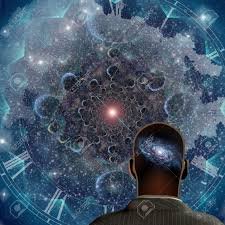
This field grants us a profound comprehension of enduring principles that serve as the foundation of our lives, all the while recognizing the impact of temporality, spatiality, and human encounters on their relevance.
Further Reading:
What is theology? Historical and systematic reflections
The Decoding of the Human Spirit: A Synergy of Spirituality and Character Strengths Toward Wholeness
The study of theology recognizes that there exist timeless and unchanging truths that have persisted throughout the ages. These eternal truths, often found within religious teachings and spiritual convictions, offer a structure through which we can comprehend the essence of existence and our role within it.
They explore profound inquiries concerning the presence of a supreme force, the inception of the cosmos, and the dynamics between righteousness and malevolence. By engaging intellectually and spiritually with these enduring truths, individuals can experience personal development and attain a deeper comprehension of the environment surrounding us.
Further Reading:
A Fateful Separation of Philosophy And Theology
As individuals, we exist within the realm of time and space, and this has a significant effect on how we perceive and interpret fundamental truths. The study of theology acknowledges the influence of these limitations on the practicality and comprehension of timeless principles.
Further Reading:
Concepts of Space, Time, and the Cosmos
When examining these principles, one must take into account the historical, cultural, and societal contexts that shape our understanding, resulting in a wide array of interpretations and perspectives.

Scholars in this field diligently scrutinize religious texts, historical records, and cultural customs to determine how these eternal truths can be effectively applied and comprehended within the confines of our temporal existence.
Further Reading:
Why Religion Is Hard For Historians (and How It Can Be Easier)
The enthralling aspect of theology resides in its capacity to delve into the intersection between timeless and worldly verities. It fosters a contemplative and discerning exploration of how these verities manifest and engage with our everyday existence.
By means of meticulous scrutiny and comprehension, theology grants us glimpses into the manners in which timeless truths can be encountered and put into practice amidst varied worldly circumstances. It extends counsel concerning ethical predicaments, the deliberation of moral choices, and offers guidance on how to navigate the intricacies of contemporary society while remaining anchored in quintessential principles.

ALFRED I. TAUBER
Read Above Book: Henry David Thoreau, 1856. (Archives of the Gray Herbarium, Harvard University; reproduced by permission)
Theology offers a comprehensive perspective on existence, encompassing not just the tangible and worldly aspects, but also the ethereal and profound dimensions.
By delving into the intricate connection between the everlasting and the fleeting, theology has the ability to provide direction, solace, and motivation during times of adversity. It encourages individuals to turn their gaze inward, fostering contemplation and introspection, and urging them to shape their behavior in accordance with enduring principles and morals.
In conclusion, theology is an intriguing field of study that allows us to explore the transition from eternal truths to temporal realities. By examining the influence of time and space on the application of these truths, theology sheds light on our existence and provides a framework for understanding the world around us.

One response to “Exploring the Fascinating Interplay of Eternal & Temporal Truths in Theology”
[…] Exploring the Fascinating Interplay of Eternal & Temporal Truths in Theology CAUSE & EFFECT: THE INTERPLAY OF MATTER AND SPIRIT […]