
The unconscious is like a vault that holds our hidden selves, known as the Shadow according to Carl Jung. It stores traits, both good and bad, that we have cast aside. These traits are shaped by shame, which influences the thoughts, desires, and urges that we push away.
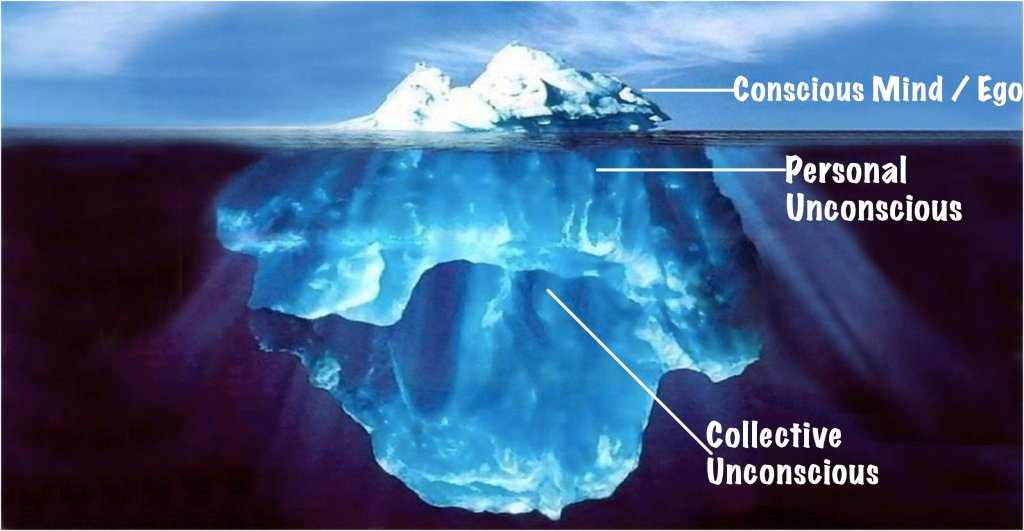
UNCONSCIOUS
Within each of us exists a mysterious realm, beyond the reach of our conscious minds. This inner world, free from external influences, shapes our complex and sometimes bewildering responses to the outside world.
The Shadow dwells in our subconscious, concealed within the uncharted abyss of our thoughts.

It represents the unacknowledged aspects of our being that are concealed and disconnected from our conscious selves. Similar to an invisible force, it subtly influences our thoughts, emotions, and actions.
Exploring our unconscious mind allows us to unlock our hidden potential and gain a deeper understanding of ourselves. This journey of self-discovery leads to increased self-awareness and personal development.
Embracing the Shadow leads to a more complete and authentic expression of who we truly are.

“The shadow is a moral problem that challenges the whole ego-personality, for no one can become conscious of the shadow without considerable moral effort. To become conscious of it involves recognizing the dark aspects of the personality as present and real. This act is the essential condition for any kind of self-knowledge.”
— Carl Jung, Aion (1951)
Our unconscious is a powerful part of ourselves that often goes unnoticed and untapped, starting from our early years.
It includes suppressed thoughts, emotions, and memories that have been rejected or deemed unacceptable. Unfortunately, we may be unaware of this hidden realm of our psyche.
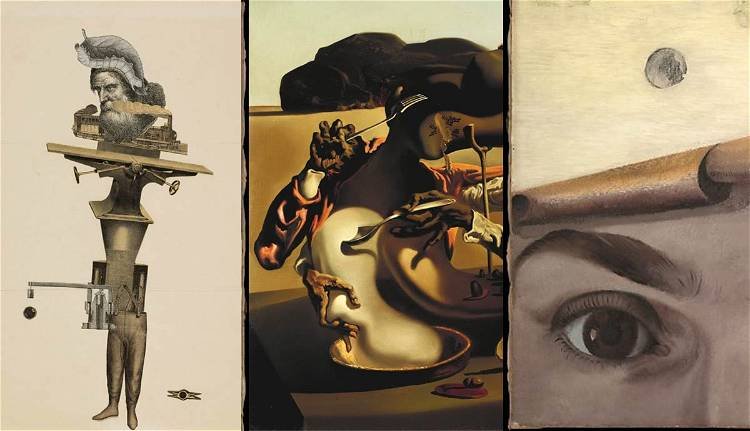
Additionally, the unconscious mind functions as a reservoir for projection, which is a psychological defense mechanism that involves attributing our own undesirable traits, desires, or emotions to others. Essentially, it allows us to detach from certain aspects of ourselves and assign them to external objects or individuals. This process takes place involuntarily and without conscious awareness.

Projection is a psychological strategy employed by the ego with the intention of safeguarding itself against perceived dangers. This defense mechanism manifests when the ego disavows characteristics or attributes that it discerns in others, particularly those which it also despises within its own personality.
It is quite remarkable, if we take a moment to reflect, how frequently we observe this phenomenon not only in the behavior of others but also within our own selves, provided we are willing to be introspective and truthful.
