
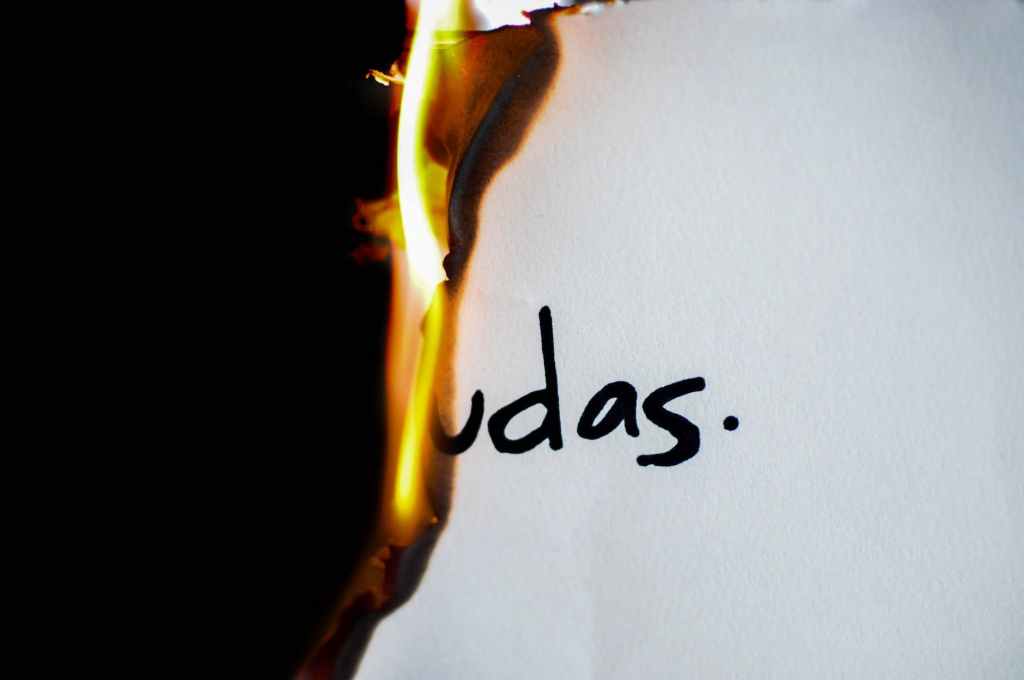
Nobody ever expects to experience betrayal and yet it is a difficult emotion to grapple with. Betrayal can come in many forms, from a close friend, a family member, a romantic partner, and even an acquaintance.
Types Of Betrayal :
Overt Betrayal:
This type of betrayal is usually intentional and very direct, and often affects a wide range of people involved. It can lead to damaging consequences and a huge loss of trust.
The Bible teaches that all have sinned and fallen short of the glory of God -Romans 3:23, including the propensity to betray others.
The story of Judas Iscariot, who betrayed Jesus for thirty pieces of silver, is a prime example of overt betrayal. His actions affected not only Jesus but also the other disciples and ultimately led to the crucifixion of Christ. The consequences of overt betrayal can be devastating, as it can lead to a loss of trust and damage relationships.
Unspoken Betrayal:
This entails a lack of disclosure or communication. Unspoken betrayals can be the most painful since they often build up over time and can easily manipulate the betrayed person without them even realizing it.
In Proverbs 27:6, it says, “Faithful are the wounds of a friend; but the kisses of an enemy are deceitful.”
Self-Betrayal:
Self-betrayal is when someone goes against their own values, beliefs, or sense of self. This can include lying to oneself or others, doing things that are wrong, or ignoring one’s own needs. It can harm mental and emotional health and cause guilt and shame. Self-betrayal is a sin that goes against Jesus’ teachings and one’s own faith. The Bible says to live according to Jesus’ teachings and not act against one’s own values and beliefs. Self-betrayal is also a form of dishonesty, which is also a sin according to the Bible.
Passive-Aggressive Betrayal:
This can lead to mistrust and suspicion due to the lack of communication and clarity, as well as intentional attempts to distance oneself from the situation. It may also lead to resentment and suspicion from those close to the person doing the betraying.
In Proverbs 26:24-25, it says, “People may cover their hatred with pleasant words, but they’re deceiving you. They pretend to be kind, but don’t believe them. Their hearts are full of many evils.”
Be cautious of those who use pleasant words to cover up their true intentions.
In Matthew 5:37, Jesus teaches us to let our yes be yes and our no be no, to be honest and straightforward in our communication.
Unintentional Betrayal:
Unintentional Betrayal happens when someone unintentionally breaks their commitments and expectations, causing hurt and loss of trust. It’s a common experience that can have lasting effects.
OFTEN BETRAYAL IS DISGUISED AS KINDNESS
When it comes to betrayal, it is often disguised as care or kindness. We may believe that what we are doing is in the best interests of ourselves, our friends, our family, or relationships and that by behaving in an ‘acceptable’ or ‘proper’ way, we will have no cause to betray another. We may even feel a sense of loyalty or devotion to those who are closest to us and, in turn, those same people may have an unwavering trust in us, only to be betrayed in the end.
The Feeling Of Betrayal Is Vivid
It’s like a punch to the gut, a sudden and unexpected blow that leaves you reeling. You never imagine that they would do to you what they did. But there it was, plain as day: they betrayed my trust.
You feel a sense of loss, as if a part of you has been stolen. God is the only one who can heal this level of pain.

One response to “Betrayal – The Fading Scars”
[…] process can reveal the root causes of denial, regret, and betrayal, shedding light on the intricate web of human […]